If you sit down to a traditional Moldovan table, three dishes will almost certainly appear: golden mămăligă with brânză and sour cream, flaky plăcinte with fillings sweet and savoury, and slow-cooked sarmale wrapped in cabbage or vine leaves. The wines that love them are equally clear: crisp native whites such as Fetească Albă for the cheese-rich plates, Fetească Neagră and Rară Neagră reds for the slow-cooked rolls, and something sweet for the cherry desserts. Here is the dish-by-dish guide.
These dishes are the backbone of Moldovan home cooking and of every celebration, from family Sundays to weddings, where plăcinte and sarmale have been served together for generations. Because Moldovan wine grew up in the same villages, the pairings below are not sommelier inventions — they are the combinations the cuisine itself suggests.
Mămăligă: The Golden Centre of the Table
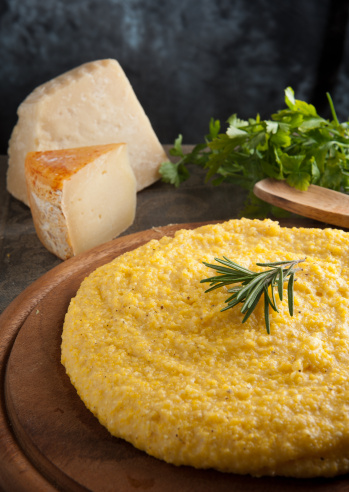
Mămăligă is a firm cornmeal porridge, traditionally cut with a thread and served in place of bread. On its own it is mild and comforting; its personality comes from what surrounds it — salty brânză cheese, cool sour cream, scrambled eggs, garlic sauce, or a rich meat stew. That means the pairing depends on the plate in front of you:
- Mămăligă with brânză and sour cream: pour a crisp, aromatic white — Viorica or Fetească Albă. Acidity cuts the cream, and floral notes lift the salty cheese.
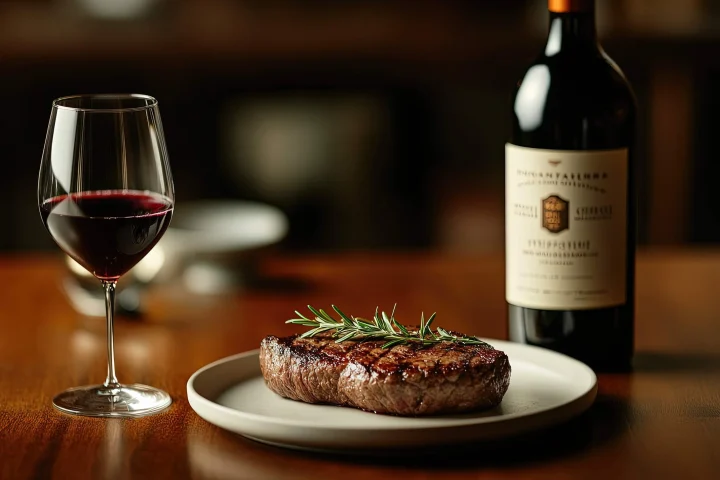
- Mămăligă with pork stew or friptură (roast meat): move to red. An oak-aged Fetească Neagră matches the stew’s depth without overpowering the cornmeal.
- Mămăligă with fried fish or lighter toppings: a dry sparkling wine or a young Fetească Regală keeps things bright.
Plăcinte: A Filling for Every Glass
Plăcinte are Moldova’s beloved filled pastries — thin dough wrapped around cheese, cabbage, potato, pumpkin or sour cherries, then baked or fried until golden. The filling decides the wine. Cheese plăcinte, buttery and salty, are sparkling wine’s best friend: the bubbles cut the pastry’s richness, just as they do with any fried food. Cabbage or potato plăcinte, earthier and milder, pair happily with a rounded dry white or a light red served slightly cool.
Sweet plăcinte — above all the sour-cherry version — flip the rule: now the wine must be sweeter than the pastry, or it will taste thin and sour by comparison. A Moldovan sweet or late-harvest wine keeps the cherry flavours singing, and a cup of coffee with a small glass of Divin is the traditional way to linger over them.
Sarmale: Slow-Cooked and Made for Red Wine
Sarmale are rolls of cabbage or vine leaves filled with rice, minced meat and herbs, simmered slowly — often in a clay pot — until meltingly tender. They are served with sour cream and, very often, a side of mămăligă. This is red wine food through and through: the meat and slow cooking give the dish the weight that Fetească Neagră handles so well, its forest-fruit flavours echoing the herbs and its tannins balanced by the filling’s fat. Rară Neagră, softer and lighter, is the choice when the sarmale are made with more rice and vegetables, or when you simply prefer a gentler glass.
One useful nuance: if your sarmale come with a generous spoonful of sour cream, acidity becomes doubly important. Both Fetească Neagră and a structured white can work — what matters is that the wine tastes fresh enough to cut through the cream.
Watch: Moldovan Cuisine on Screen
This short video introduces the classics — plăcinte, zeamă and sarmale — as they are cooked and served in Moldova. Watch it before a trip or a cooking session and you will know exactly what to order, and what to pour with it.
Zeamă, Mititei and the Supporting Cast
No guide to the Moldovan table is complete without zeamă, the sour chicken noodle soup that starts festive meals and cures everything else. Its delicate, tangy broth pairs with structured dry whites — Fetească Albă is the classic call. At the other end of the spectrum, mititei, the garlicky grilled minced-meat rolls, demand the same bold reds you would pour for any barbecue: Negru de Purcari or a hearty Fetească Neagră, whose fruit stands up to char and spice.
Pickles and preserved vegetables, served all winter, are pairing wild cards: their vinegar tang needs the highest-acid wine on the table, which in Moldova usually means the crispest white or a dry sparkling wine.
Sweet Endings: Cușma lui Guguță and Cherry Plăcintă
Moldova’s most famous dessert, cușma lui Guguță — “Guguță’s hat” — stacks sour-cherry crêpes into a pyramid under cream. Its sweet-tart fruit and richness call for a sweet wine with real acidity, so the pairing tastes fresh rather than heavy. Smoked plums stuffed with walnuts, another traditional treat, are made for dessert wines and for Divin, whose dried-fruit depth mirrors the plums themselves. End the meal the local way: small glass, no hurry.
Read also: Wine and Meat Pairing: Rules That Actually Work and Dessert Wine Pairing: A Simple Guide to Sweet Endings
Conclusion
Mămăligă, plăcinte and sarmale each have a natural wine partner, and all of them live in Moldova’s own cellar: aromatic whites for the brânză-rich plates, Fetească Neagră and Rară Neagră for the slow-cooked rolls and grills, sparkling wine for fried pastry, and sweet wines or Divin for the cherry desserts. Learn these three dishes and their wines, and you understand the heart of the Moldovan table.
Frequently Asked Questions
What wine should I serve with sarmale?
A medium-bodied Moldovan red such as Fetească Neagră is the classic choice; its fruit and gentle tannins match the meat-and-rice filling and the cabbage’s savoury depth. Rară Neagră works for a lighter style.
Is mămăligă paired with white or red wine?
Both — it depends on the topping. With brânză and sour cream, choose a crisp white like Viorica or Fetească Albă; with meat stew or roast pork, choose a red such as Fetească Neagră.
What do Moldovans drink with plăcinte?
Traditionally, plăcinte are served with red wine at celebrations, and sparkling or crisp white wines are excellent with cheese-filled versions. Sour-cherry plăcinte call for a sweet wine or coffee with Divin.