Rară Neagră — also known across the Prut river as Băbească Neagră — is one of the oldest red grapes of Moldova and Romania, cultivated since Geto-Dacian times. Its name means “rare black”, and the wines live up to it: pale ruby in colour, fresh and soft on the palate, with flavours of sour cherry, dried fruit and a whisper of vanilla. It is the elegant, lighter counterpoint to Moldova’s darker reds.
Origins and History of Rară Neagră
Few grapes can claim a pedigree like this one. Rară Neagră has been grown in the lands between the Prut and Dniester rivers since the era of the Geto-Dacians, the ancient peoples who inhabited the region more than two thousand years ago. Under its Romanian name, Băbească Neagră — “grandmother’s black” — it became one of the most widely planted traditional reds of the wider Moldavian lands.
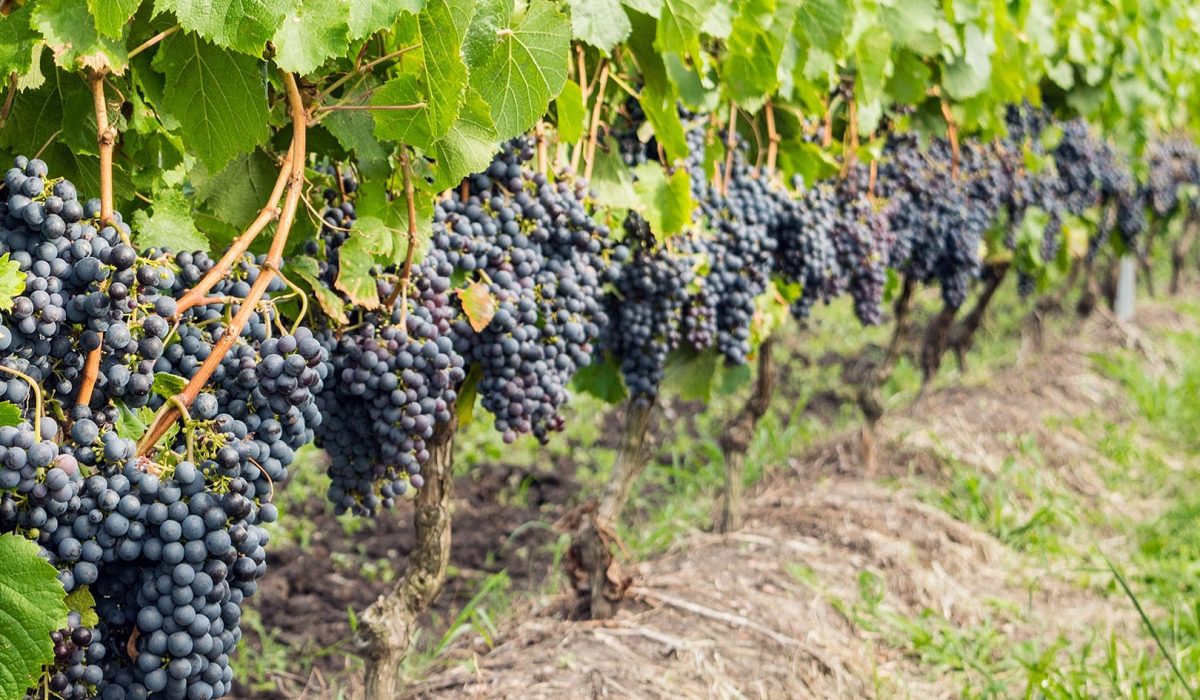
The grape’s loose, sparse bunches explain its Moldovan name: the berries sit “rarely” (rară) on the stem, a trait that lets air circulate and helps the fruit stay healthy. In Moldova, plantings are small — the variety is genuinely rare — and it survives thanks to dedicated growers in the south-east, plus its historic role as a blending partner in the famous red wines of the Purcari area, where it softens and perfumes blends built on Cabernet Sauvignon and Saperavi.
Like many heritage varieties, Rară Neagră fell out of fashion in the twentieth century, when high-yield plantings were prized over character. It ripens late, crops modestly and demands patience — not virtues a production-driven era rewarded. Its recent revival mirrors a wider shift in Moldovan wine: as export markets began asking what Moldova could offer that nowhere else could, growers looked back to their oldest vines. Today the grape enjoys a small but passionate renaissance, with varietal bottlings from the Purcari zone showing that pale colour is no barrier to flavour, and wine bars increasingly pouring it by the glass as a chilled red.
What Does Rară Neagră Taste Like?
Forget dark, jammy reds: Rară Neagră is all about freshness and finesse. The wines are light to medium bodied with lively acidity, soft tannins and a characteristic sour-cherry brightness. Typical notes include:
- Sour cherry and red cherry — the variety’s hallmark
- Redcurrant, wild berries and rose hip
- Dried fruit and dried plum — especially with bottle age
- Vanilla and gentle spice — in oak-aged examples
- A pale ruby colour — often compared to Pinot Noir
Most producers bottle it young and unoaked to keep the fruit pure, though a short rest in large oak can add the vanilla and spice notes the variety is known for.
Where Rară Neagră Grows in Moldova
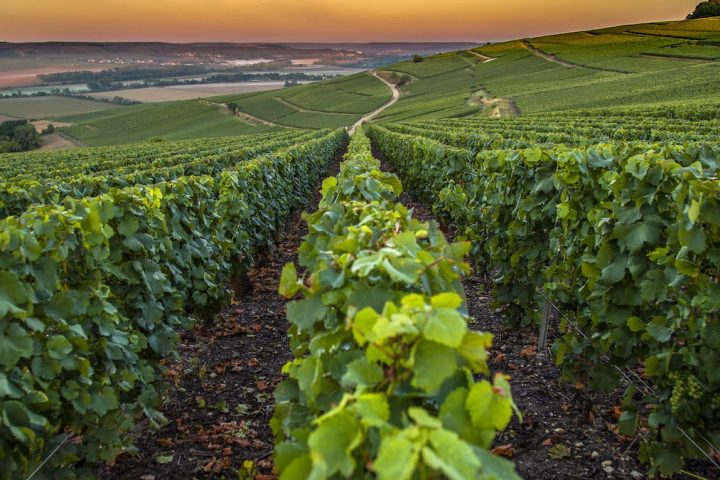
In Moldova, Rară Neagră is concentrated in the south-eastern Ștefan Vodă PGI region — the same warm, Black Sea-influenced corner of the country, at about 46–47 degrees north, that is home to Purcari. The grape ripens late, from mid-September into early October, and needs those long southern autumns to reach full flavour while keeping its trademark acidity. Small plantings also survive elsewhere in the south, in Valul lui Traian.
Watch: Rară Neagră Reviewed
Wine critic Tom Cannavan reviews a Purcari Rară Neagră from Moldova in the video below, describing the grape’s crisp, fruity style:
Food Pairings for Rară Neagră
Light, fresh reds are famously food-friendly, and Rară Neagră is no exception:
- Roast lamb and grilled meats
- Mushroom risotto and wild mushroom dishes
- Charcuterie and semi-hard cheeses
- Pizza and tomato-based pasta
- Traditional Moldovan grilled meats (frigărui)
Serve it slightly cool, at about 14–16°C — a brief spell in the fridge brings out its cherry freshness.
Grapes Similar to Rară Neagră
Rară Neagră is most often compared to Pinot Noir for its pale colour, red fruit and elegance, and to Gamay (of Beaujolais fame) for its juicy, chillable freshness. Austrian Blaufränkisch and Hungarian Kadarka share its spicy, sour-cherry character. Within Moldova, it is the natural lighter alternative to the darker, fuller Fetească Neagră.
Read also: Viorica: Moldova’s Aromatic White Treasure and Fetească Regală, Plavai, and Moldova’s Other Local Grapes
Conclusion
Rară Neagră is a living link to the ancient vineyards of the Geto-Dacians: a rare, pale, cherry-scented red that prizes freshness over power. As Moldovan producers champion their heritage varieties, this “rare black” grape is winning new fans among drinkers who love elegant, chillable reds.
Frequently Asked Questions
Are Rară Neagră and Băbească Neagră the same grape?
Yes. They are two names for one variety: Rară Neagră is the name used in the Republic of Moldova, Băbească Neagră in Romania.
Why is Rară Neagră wine so pale?
The grape has thin skins and loosely packed bunches, so it gives up less colour during fermentation. The result is a pale ruby wine, similar in hue to Pinot Noir.
Should Rară Neagră be served chilled?
A light chill suits it well. Around 14–16°C keeps its fresh cherry fruit and acidity in focus.