Beyond Moldova’s headline grapes lies a bench of local varieties every wine lover should know — led by Fetească Regală, the fuller, more aromatic offspring of Fetească Albă, and Plavai, the humble old white of everyday village wines. Together with the famous Fetească family, Rară Neagră and Viorica, these grapes form the indigenous palette that makes Moldovan wine taste like Moldova.
Fetească Regală: The Royal White
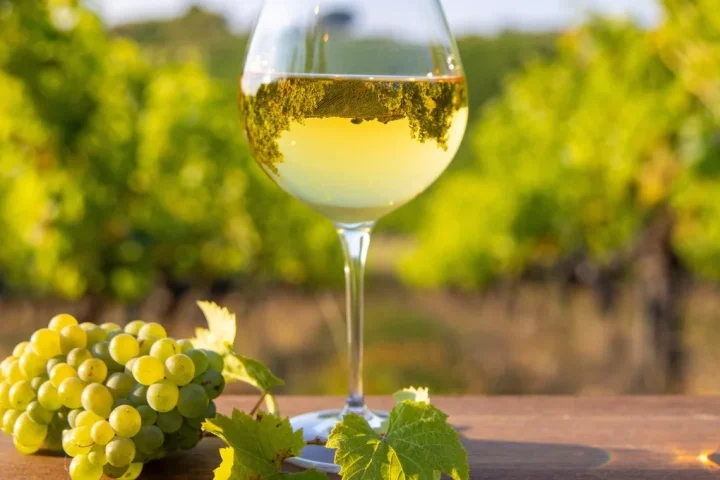
Fetească Regală — “the royal maiden” — is a natural offspring of Fetească Albă, discovered as a distinct variety and named for the regal quality growers found in its wines. Where its parent is delicate, Regală turns the volume up: it is known for intense floral and citrus aromas, orchard fruit and a rounder, fuller body, often with an attractive texture from its naturally tannin-touched skins.
Key flavour markers to look for:
- Intense white flowers and citrus blossom
- Apricot, peach and ripe pear
- A grapey, almost Muscat-like lift
- Fuller body and texture than Fetească Albă
- Fresh, balanced acidity keeping it dry and drinkable
Regală’s versatility is its superpower: it makes still dry whites, aromatic blends and some of Moldova’s finest traditional-method sparkling wines, where its perfume and structure carry beautifully through the bubbles.
Plavai: The Humble Everyday White
Plavai is the quiet veteran of the group — an old local white variety planted for generations in village vineyards. It was never destined for export glory: Plavai traditionally gives light, straightforward, easy-drinking wines, the kind poured at family tables across the countryside. In modern Moldova it survives in small plantings and old mixed vineyards, and a new generation of producers values it precisely for that honesty — a taste of how Moldovan wine used to be made, and in many villages still is.
The Wider Local Family at a Glance
Moldova’s indigenous varieties account for about 10% of the country’s vineyards; the remaining plantings are international grapes such as Sauvignon Blanc, Chardonnay, Cabernet Sauvignon, Merlot, Pinot Noir, Saperavi and Rkatsiteli. The local team in brief:
- Fetească Albă — ancient white; fine, floral, light and fresh; also a sparkling base
- Fetească Regală — its aromatic offspring; fuller, citrus-floral, versatile
- Fetească Neagră — ancient red of the Prut valley; forest fruit, wild cherry, plum
- Rară Neagră (Băbească Neagră) — Geto-Dacian-era red; pale ruby, sour cherry, dried fruit
- Viorica — modern Moldovan-bred aromatic white; acacia, basil, blossom
- Plavai — old everyday white; light, simple, traditional
Where These Grapes Grow in Moldova
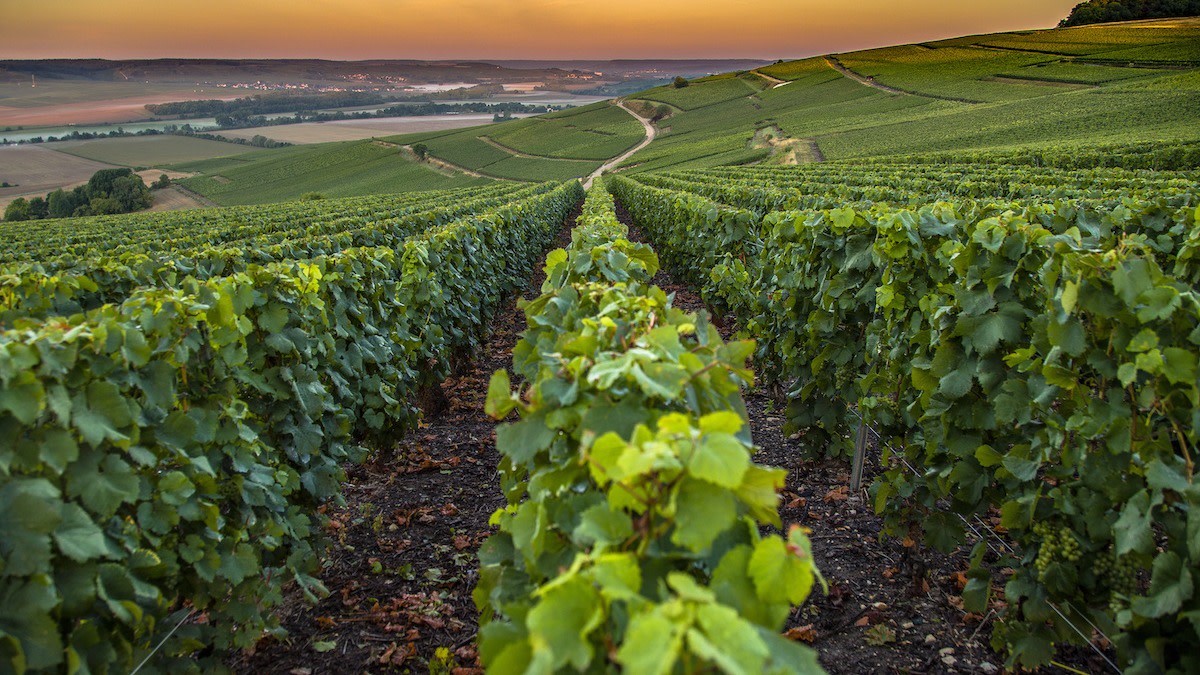
Fetească Regală is planted across all three PGI regions — Codru in the centre, Ștefan Vodă in the south-east and Valul lui Traian in the south-west — thriving in the continental climate moderated by the Black Sea at about 46–47 degrees north. Codru’s cooler sites favour its freshness and sparkling potential, while southern vineyards give rounder, more generous still wines. Plavai persists mainly in older vineyards and mixed plantings scattered through the same regions, a living archive of traditional viticulture.
Watch: The Fetească Story on Screen
The documentary series below journeys to the birthplace of Fetească Regală and explores the grape heritage of the wider Moldovan-Romanian wine world:
Food Pairings and Similar Grapes
Fetească Regală’s body and perfume make it a superb food wine: try it with roast chicken, creamy pasta, grilled fish, soft cheeses and traditional dishes such as plăcintă or mămăligă with brânză. If you enjoy Regală, explore Chardonnay in its unoaked, citrusy form for a similar weight, Muscat Ottonel for perfume, or Argentina’s Torrontés for blossom-driven freshness. Plavai, meanwhile, asks for nothing more than simple food and good company — exactly what it was made for.
Read also: Fetească Neagră: Moldova’s Ancient Red Grape and Fetească Albă: The Floral White Grape of Moldova
Conclusion
Fetească Regală and Plavai show the two faces of Moldova’s local heritage: one a versatile, aromatic white ready for the world stage and the finest sparkling blends, the other a humble keeper of village tradition. Discovering them — alongside the Fetească flagships, Rară Neagră and Viorica — is discovering why Moldovan wine has a flavour all of its own.
Frequently Asked Questions
What is the difference between Fetească Albă and Fetească Regală?
Regală is a natural descendant of Albă. Albă is lighter, finer and more delicate; Regală is fuller bodied with more intense floral, citrus and orchard-fruit aromas, and is used more often for sparkling wines.
What does Plavai wine taste like?
Plavai gives light, simple, easy-drinking white wines — the traditional everyday wine of Moldovan villages, made for the table rather than the cellar.
How much of Moldova’s vineyard is planted with local grapes?
Indigenous varieties make up about 10% of plantings. The rest are international grapes such as Chardonnay, Sauvignon Blanc, Cabernet Sauvignon, Merlot and Saperavi.