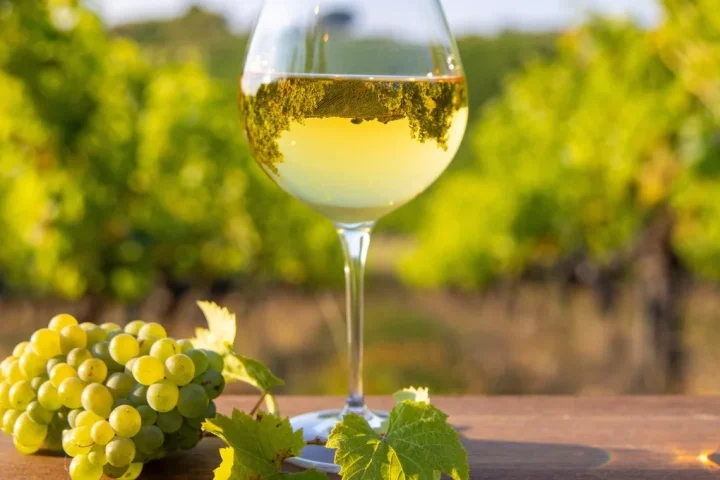
Fetească Albă is one of Moldova’s oldest indigenous white grapes, treasured for fine, floral wines that are light, fresh and delicately perfumed. Grown between the Prut and Dniester rivers for centuries, it produces everything from crisp dry whites to elegant sparkling wines — and it is the mother variety of the better-known Fetească Regală.
Origins and History of Fetească Albă
The name means “white maiden”, the pale counterpart to the red Fetească Neagră. Fetească Albă is considered one of the most ancient local varieties of the region, cultivated long before international grapes arrived. Ampelographers regard it as the foundation of the Fetească family: Fetească Regală descends from it, and the family as a whole forms the backbone of Moldova’s indigenous white wine production.
Although indigenous grapes make up only about 10% of Moldova’s vineyards — the majority being varieties such as Sauvignon Blanc, Chardonnay, Rkatsiteli and Aligoté — Fetească Albă has held its ground through every era of the country’s winemaking, from monastery vineyards to modern boutique wineries.
What Does Fetească Albă Taste Like?
Fetească Albă wines are about delicacy rather than power. They are typically light to medium bodied, with bright acidity and a fine, floral perfume. Look for:
- White flowers and lime blossom — the variety’s signature aroma
- Green apple and pear — fresh orchard fruit
- Citrus zest — lemon and grapefruit freshness
- White peach and apricot hints — in riper examples
- A clean, dry, refreshing finish
Most wines are fermented in stainless steel to protect the aromatics and bottled young. The grape’s natural freshness and fine bubbles potential also make it a valued base for traditional-method sparkling wines.
Where Fetească Albă Grows in Moldova
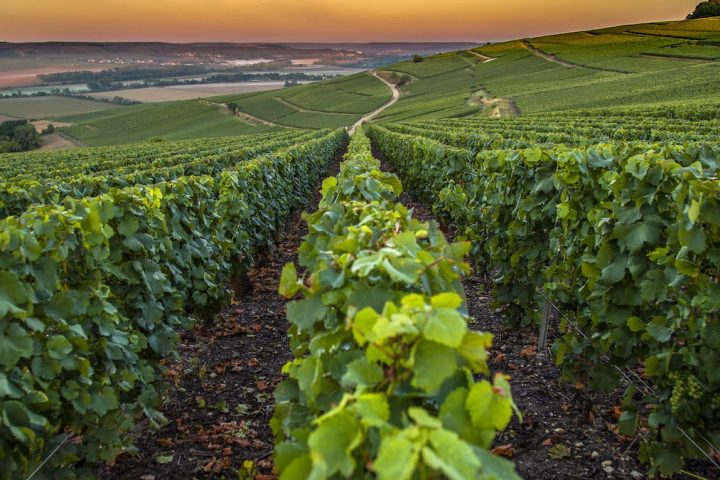
Fetească Albă is planted across the country, with notable vineyards in the central Codru PGI region, whose rolling, forested hills and continental climate — moderated by the Black Sea at about 46–47 degrees north — preserve the grape’s acidity and floral character. It also appears in Ștefan Vodă in the south-east and Valul lui Traian in the south-west, where warmer sites give slightly rounder, fruitier wines.
Styles of Fetească Albă to Try
The classic bottle is a dry, still white: pale in colour, delicately scented and made to be drunk young and fresh, ideally within two or three years of harvest. Some producers make semi-sweet versions for local tastes, and the grape’s high acidity has long made it a quiet workhorse in blends, where it lifts heavier varieties with its floral freshness. The most exciting modern expression, however, is sparkling. In traditional-method Moldovan sparkling wines, Fetească Albă contributes fine bubbles, citrus energy and a gentle blossom perfume that survives the second fermentation beautifully. If you see a varietal dry Fetească Albă from Codru or a sparkling cuvée built on the grape, both are authentic introductions to the variety — one whisper-light and still, the other celebratory.
Watch: Tasting Fetească Albă
In the episode below, wine specialists taste Fetească Albă alongside Fetească Neagră and discuss flavour profiles and food pairings for both grapes:
Food Pairings for Fetească Albă
Light, dry and refreshing, Fetească Albă is a natural partner for delicate dishes:
- Grilled fish, seafood and sushi
- Fresh salads and grilled vegetables
- Soft and fresh cheeses, including brânză (local sheep’s cheese)
- Light poultry dishes and creamy pasta
- Traditional plăcintă pastries with cheese or potato
Serve well chilled, at about 8–10°C, in a tulip-shaped glass that concentrates its floral aromas.
Grapes Similar to Fetească Albă
The closest relative is its own offspring, Fetească Regală, which adds body and a more intense floral-citrus perfume. Drinkers who like dry Pinot Grigio or Pinot Blanc will feel at home with Fetească Albă’s freshness, while Riesling lovers will appreciate its floral lift and acidity — though Fetească Albă is almost always fully dry and lighter in body.
Read also: Rară Neagră (Băbească Neagră): The Rare Black Grape and Viorica: Moldova’s Aromatic White Treasure
Conclusion
Fetească Albă is the quiet classic of Moldovan wine: an ancient white grape producing fine, floral, refreshing wines that pair effortlessly with food. Whether as a crisp still wine or the base of a sparkling cuvée, it offers a genuine taste of Moldova’s winemaking heritage in its most delicate form.
Frequently Asked Questions
Is Fetească Albă the same as Fetească Regală?
No. Fetească Regală is a descendant of Fetească Albă. Albă is lighter and more delicate; Regală is typically fuller bodied with more intense floral and citrus aromas.
Is Fetească Albă sweet?
It is usually made in a dry style. Some producers make semi-sweet versions for local tastes, so check the label — but the classic expression is dry, light and fresh.
Can Fetească Albă be used for sparkling wine?
Yes. Its high natural acidity and fine aromatics make it a traditional and valued base for Moldovan sparkling wines.