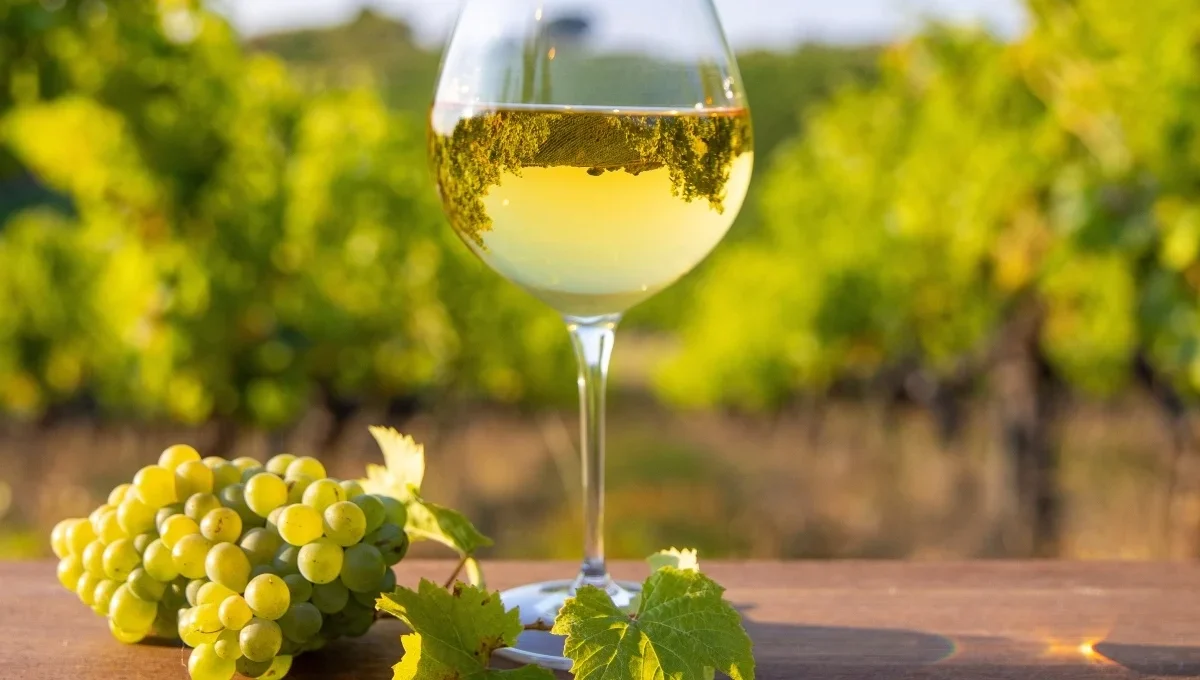
Viorica is Moldova’s aromatic white treasure: a variety developed by Moldovan breeders in the Soviet era that has become the country’s most perfumed grape. Its wines burst with floral aromas — acacia blossom, jasmine and fresh basil — over a grapey, citrus-fresh palate, in a style that fans of Muscat and Gewürztraminer will instantly love.
Origins and History of Viorica
Unlike Moldova’s ancient Fetească family, Viorica is a modern creation with a local soul. It was developed by Moldovan breeders in the Soviet era, crossing international breeding material to obtain a grape that combined intense aroma with the ability to thrive in Moldova’s continental climate. The experiment worked: Viorica kept the perfume of its aromatic ancestors while adapting beautifully to local vineyards.
For years Viorica lived in the shadow of better-known varieties, used mainly in blends. That changed as Moldova’s quality revolution gathered pace. Boutique and large producers alike began bottling it on its own, and Viorica is now widely seen as the aromatic signature of modern Moldovan white wine — a homegrown answer to the world’s famous scented grapes.
What Does Viorica Taste Like?
Viorica is one of those grapes you can recognise from a single sniff. The aroma is intense, floral and unmistakably grapey, while the palate stays fresh thanks to lively acidity. Expect:
- Acacia and jasmine blossom — the trademark floral bouquet
- Fresh basil and herbs — a distinctive green note
- Muscat-like grapey fruit — ripe grapes and peach
- Citrus and tropical hints — melon, pear and grapefruit
- A dry, crisp finish — despite the sweet-smelling nose
The classic style is a dry, still white fermented in stainless steel to lock in the perfume. Viorica also shines in aromatic blends and makes excellent sparkling wine, where its fragrance survives the bubbles beautifully.
What makes Viorica especially interesting is how it bridges old and new Moldova. It is not an imported fashion but a product of local research, created to express this specific place — and it now stands alongside the ancient Fetească varieties in the country’s quality line-up. In international tastings it repeatedly surprises judges who expect aromatic whites to come from better-known regions: few grapes anywhere combine this level of perfume with such freshness at everyday prices. For Moldova, Viorica has become a calling card — proof that its winemaking heritage is not only about preserving the past, but also about varieties born here that exist nowhere else in quite the same form.
Where Viorica Grows in Moldova
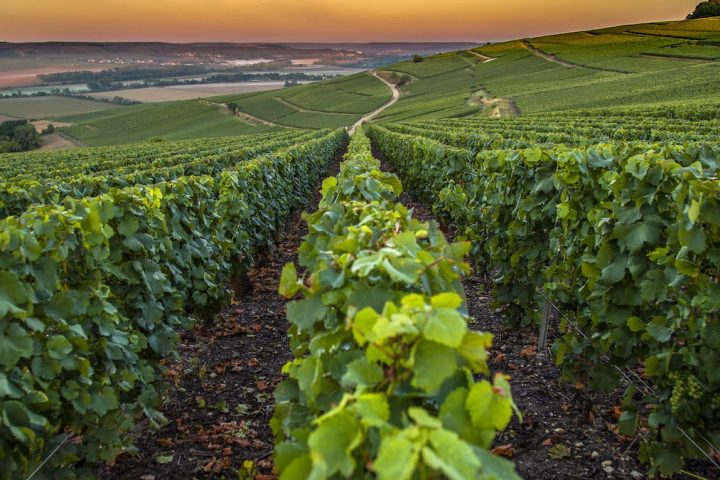
Viorica is planted across Moldova’s three PGI regions — Codru in the centre, Ștefan Vodă in the south-east and Valul lui Traian in the south-west. The country’s continental climate with Black Sea influence, at roughly 46–47 degrees north, suits it well: warm days build aroma, cool nights protect acidity. In the south, wineries around Valul lui Traian — including producers in the Cazaclia area — have made Viorica a flagship variety, while central Codru estates use it for some of the country’s most decorated aromatic whites.
Watch: Viorica in the Spotlight
The video below visits Kazayak Winery in southern Moldova, a producer whose flagship white is made from the Viorica grape:
Food Pairings for Viorica
An aromatic dry white is a gift at the table. Viorica pairs especially well with:
- Seafood, grilled fish and Mediterranean dishes
- Light cheeses and fresh salads
- Aperitif drinking on its own, well chilled
- Herb-rich dishes that echo its basil notes
- Mildly spiced Asian cuisine, where its perfume stands up to aromatics
Serve at about 8–10°C and drink young, within a couple of years of the vintage, while the floral aromas are at their brightest.
Grapes Similar to Viorica
The obvious comparisons are the world’s great aromatic whites. Muscat shares Viorica’s grapey, floral intensity; Gewürztraminer offers a similar exotic perfume in a richer frame; and Argentina’s Torrontés mirrors its blossom-and-citrus freshness. Within Moldova, Fetească Regală is the closest cousin in style — floral and citrusy, but usually a little softer and less exuberant than Viorica.
Read also: Fetească Regală, Plavai, and Moldova’s Other Local Grapes and Fetească Neagră: Moldova’s Ancient Red Grape
Conclusion
Viorica proves that Moldova’s grape heritage is not only ancient but still evolving. Bred in Moldova, for Moldova, it delivers a perfume no imported variety quite matches — and in a world hunting for distinctive regional wines, this aromatic white treasure is perfectly placed to win new admirers.
Frequently Asked Questions
Is Viorica wine sweet?
Usually not. Despite its sweet-smelling floral bouquet, Viorica is most often vinified dry. Some sparkling and semi-sweet versions exist, so check the label for style.
What is Viorica made from?
Viorica is its own grape variety, developed by Moldovan breeders in the Soviet era from aromatic parent varieties, selected to suit Moldova’s climate.
What food goes best with Viorica?
Seafood, Mediterranean dishes, light cheeses and herb-driven or mildly spiced food all work beautifully with its floral, basil-scented profile.