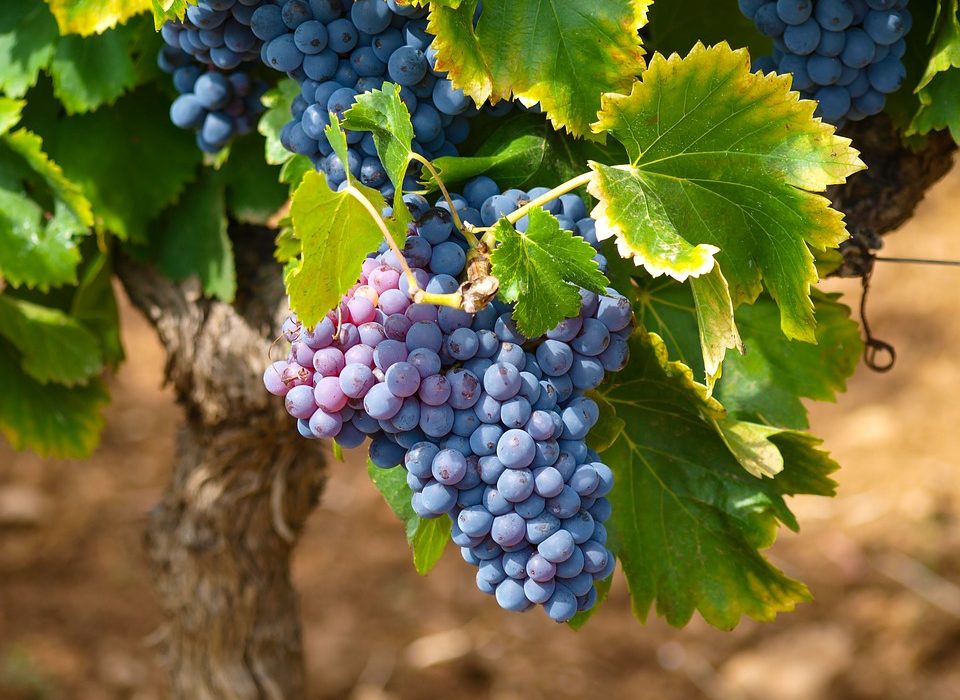
Fetească Neagră is Moldova’s most celebrated indigenous red grape — an ancient variety that originated in the Prut river valley and has been cultivated for more than 2,000 years. In the glass, it produces deeply coloured red wines layered with forest fruits, wild cherry and plum, lifted by a distinctive violet perfume and finished with a long, fruity aftertaste. If you want to understand what makes Moldovan wine unique, this is the grape to start with.
Origins and History of Fetească Neagră
The name Fetească Neagră translates roughly as “the black maiden”, part of the old Fetească family of grapes that has grown between the Prut and Dniester rivers since antiquity. Local tradition and ampelographic research trace the variety back over two millennia, making it one of the oldest named wine grapes in Eastern Europe. Through centuries of empires, collectivisation and reinvention, Moldovan growers kept replanting it — a sign of how deeply the grape is woven into the country’s wine identity.
Today, Fetească Neagră is the flagship red of Moldova’s indigenous varieties. Although local grapes account for only about 10% of the country’s vineyards — the rest being international names such as Cabernet Sauvignon, Merlot, Pinot Noir and Saperavi — Fetească Neagră is the variety that sommeliers and importers reach for when they want to show what Moldova alone can do.
What Does Fetească Neagră Taste Like?
A well-made Fetească Neagră is generous but never heavy. The wines are typically medium to full bodied, with supple tannins, fresh acidity and a core of dark fruit that keeps them lively. Expect some or all of the following notes:
- Forest fruits — blackberry, wild blackcurrant and bramble
- Wild cherry and black plum — the signature fruit core
- Violet and dried herbs — a floral lift on the nose
- Gentle spice and cocoa — especially in oak-aged examples
- A long, fruity finish — one of the variety’s calling cards
Styles range from fresh, unoaked wines made for early drinking to structured, barrel-aged reserves. The grape also plays a leading role in premium red blends, where its perfume and fruit soften the firmer tannins of Cabernet Sauvignon or Saperavi.
Where Fetească Neagră Grows in Moldova
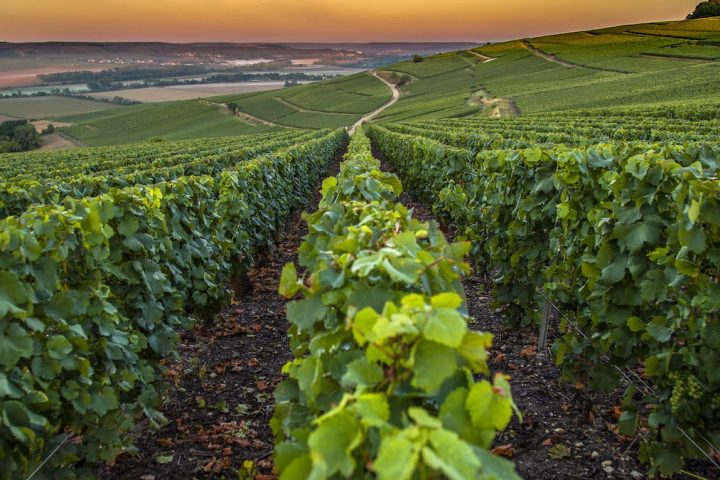
Fetească Neagră is planted across all three of Moldova’s PGI wine regions — Codru in the centre, Ștefan Vodă in the south-east and Valul lui Traian in the south-west — but it is in the warmer south that it ripens most reliably and builds its deepest colour. The continental climate, moderated by the Black Sea at roughly 46–47 degrees north latitude, gives long, sunny autumns that let this late-season variety reach full maturity while keeping its natural freshness.
Watch: Fetească Neagră on Screen
The tasting below explores native grapes of the wider Moldovan-Romanian wine world, including Fetească Neagră and Fetească Albă, and shows the dark-fruit character described above:
Food Pairings for Fetească Neagră
With its dark fruit, moderate tannins and fresh acidity, Fetească Neagră is a versatile red at the table. Try it with:
- Grilled or roasted lamb and beef
- Slow-cooked pork and game stews
- Mushroom dishes and mushroom risotto
- Hard and aged cheeses
- Traditional Moldovan dishes such as sarmale (stuffed cabbage rolls)
Serve it at about 16–18°C, and give oak-aged bottles 30 minutes in a decanter to open up.
Grapes Similar to Fetească Neagră
If you enjoy Fetească Neagră, look for Saperavi, the Georgian teinturier grown widely in Moldova, which offers even deeper colour and structure. Cabernet Sauvignon shares its blackcurrant depth in a firmer frame, while Merlot echoes its plush plum fruit. Fans of perfumed, fruit-led reds may also enjoy Moldova’s own Rară Neagră for a lighter, fresher expression.
Read also: Fetească Albă: The Floral White Grape of Moldova and Rară Neagră (Băbească Neagră): The Rare Black Grape
Conclusion
Fetească Neagră is far more than a curiosity: it is an ancient, distinctive red grape that survived two thousand years because generation after generation of Moldovan growers believed in it. Fruit-forward, perfumed and food-friendly, it is the perfect first bottle for anyone exploring Moldovan wine — and a variety the rest of the wine world is only beginning to discover.
Frequently Asked Questions
What does Fetească Neagră mean?
The name means “black maiden” in Romanian. It belongs to the Fetească family, alongside the white Fetească Albă and the aromatic Fetească Regală.
Is Fetească Neagră sweet or dry?
It is almost always made as a dry red wine. Its ripe fruit can give an impression of sweetness, but quality examples are fermented dry with fresh balancing acidity.
How long can Fetească Neagră age?
Fresh, unoaked versions are best within a few years, while structured, oak-aged examples from top producers can develop gracefully for five to ten years.