Divin is Moldova’s protected name for its finest grape brandy: a double-distilled wine spirit, aged in oak and guarded by a geographical indication (PGI) that covers the whole country. The word itself is a happy accident of language — from the Romanian din vin, meaning “from wine”, and sounding exactly like the word for “divine”. Made for well over a century, Divin stands in the same family as Cognac and Armagnac, yet it remains one of Europe’s best-kept secrets. This guide explains how it is made, how its age categories work and how to enjoy it.
What Exactly Is Divin?
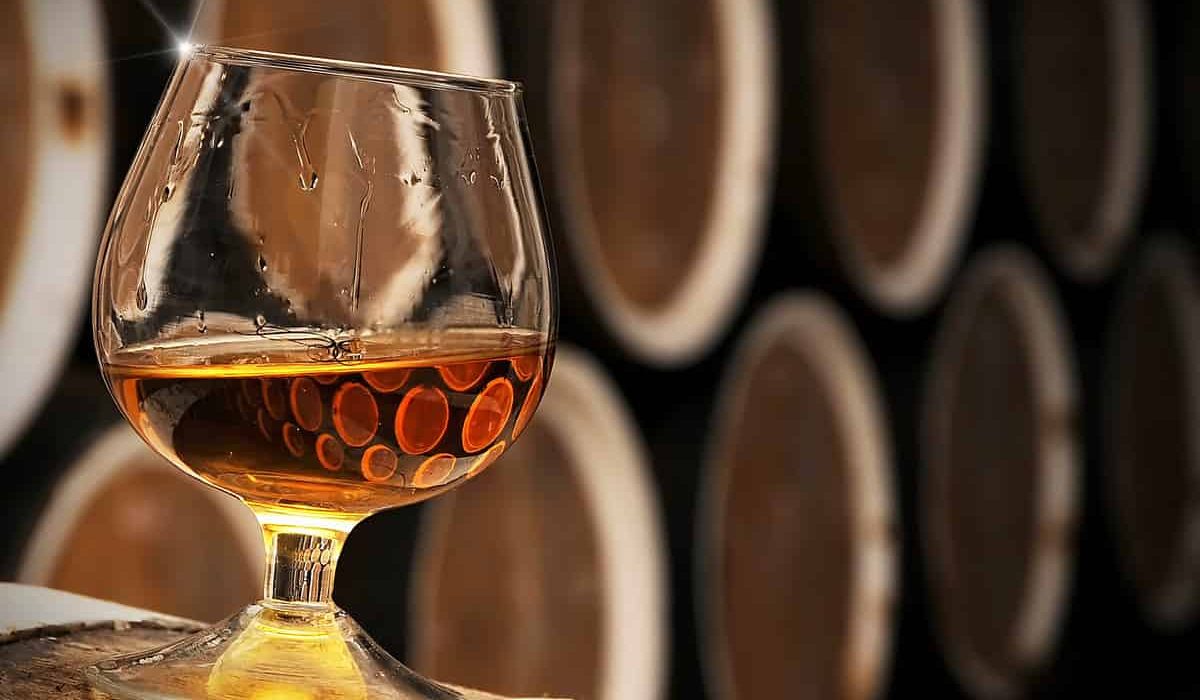
Only Moldovan brandy made to the official rules may be called Divin. Those rules require the spirit to be distilled from wine — not from grain, fruit or molasses — and then matured in contact with oak for several years before blending and bottling. The result is an amber spirit at about 40% alcohol, with aromas that run from fresh flowers and white fruit in younger examples to dried figs, honey, chocolate, spice and polished oak in old ones. Because the PGI covers the entire country, Divin comes from distilleries in every region of Moldova, each adding its own house style.
How Divin Is Made
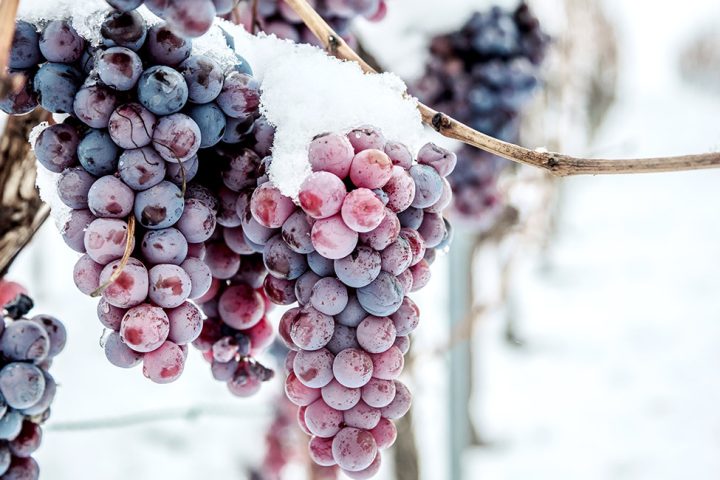
It starts in the vineyard. Base wines are made from white grapes valued for freshness and acidity rather than power — classic choices include Aligoté, Fetească Albă and Rkatsiteli, harvested from vineyards across Moldova. The winemaking and distillation then follow a time-honoured sequence:
- Base wine: a light, dry, acidic white wine is fermented, deliberately kept simple to let distillation do the talking.
- Double distillation: the wine is distilled twice — traditionally in continuous stills in Moldova, sometimes in pot stills — concentrating the alcohol and capturing its aromatic heart.
- Oak ageing: the young spirit rests in oak casks for several years, gaining colour, softness and flavours of vanilla, dried fruit and spice.
- Blending and resting: the master blender marries distillates of different ages, then lets the blend rest so the flavours harmonise before bottling.
The Age Categories Explained
Divin labels borrow the familiar vocabulary of French brandy, graded by the age of the youngest spirit in the blend. In ascending order:
- VS — the youngest category, aged for several years in oak; floral, fruity and lively.
- VSOP — a step up in age and roundness, with more dried fruit and gentle spice.
- XO — older distillates dominate; expect honey, nuts, chocolate and a long, warming finish.
- XXO — the pinnacle, built on the distillery’s oldest reserves, aged for many years and in exceptional cases for decades.
As a rule, buy VS and VSOP for mixing and everyday drinking, and save XO and XXO for slow, neat sipping.
Producers to Know
Moldova’s Divin tradition is carried by a handful of historic houses. Barza Albă (“The White Stork”) in Bălți, in the north, has produced brandy since the 1940s and is famous for its deep reserves of old distillates. KVINT, based in Tiraspol on the Dniester, is one of the oldest distilleries in the region and a household name for Divin across Eastern Europe. In the capital, Aroma has distilled in Chișinău for over a century, while Călărași Divin represents the Codru heartland. Between them, these houses hold stocks aged for decades — a liquid archive of Moldovan winemaking.
Watch: Tasting Moldovan Brandy for the First Time
In this video, first-time tasters discover Moldovan brandy — the spirit the locals call Divin — and share what newcomers need to know.
How to Taste and Serve Divin
Pour Divin neat into a tulip-shaped glass or a small snifter and let the warmth of your hand wake it up. Nose it first — flowers and fruit in the young spirits, dried fruit, honey and oak in the old — then sip slowly. Younger VS Divin is flexible: it works over a single cube of ice or in classic brandy cocktails. Older XO and XXO expressions deserve to be taken neat, at room temperature, ideally after dinner alongside dark chocolate, coffee, walnuts or dried fruits. A well-aged Divin with a piece of hard, mature cheese is a very Moldovan way to end an evening.
Read also: Moldovan Red Wines: Styles, Grapes, and Bottles to Try and Moldovan White Wines: Crisp, Floral, and Aromatic
Conclusion
Divin is far more than “Moldovan cognac”. It is a protected, oak-aged wine spirit with its own rules, categories and century-old houses, made from the same vineyards that produce Moldova’s wines. Start with a VSOP to learn the style, then climb to an XO — and you will understand why Moldovans named it after the divine.
Frequently Asked Questions
Is Divin the same as Cognac?
They are close relatives — both are grape brandies aged in oak — but Cognac is a protected name reserved for the Cognac region of France. Divin is Moldova’s own protected (PGI) name, with its own rules, grapes and house styles.
How long is Divin aged?
Every Divin spends several years in contact with oak, and the age categories climb from there: VS is the youngest, followed by VSOP and XO, while XXO bottlings are built on distillates aged for many years, in exceptional cases for decades.
How should you drink Divin?
Neat is the classic way: room temperature, in a tulip glass or snifter, sipped slowly after a meal. Younger VS Divin also works over ice or in cocktails.
Sources & Further Reading
- Wine of Moldova — the official authority for Moldovan wine and Divin.
- Decanter — coverage of Moldova’s wines and the Divin PGI.
- Watch: trying Moldovan brandy for the first time on YouTube