In Moldova, homemade wine is not a hobby — it is a way of life. Across the country’s villages, families tend their own vines, crush the harvest by hand or with a simple crusher, and store the young wine in the cool home cellar, the beci, beneath or beside the house. For many Moldovans, the first wine they ever taste is not bought in a shop but drawn from their own family’s barrel.
This tradition, passed from grandparents to grandchildren for generations, explains more about Moldovan wine culture than any statistic. Here is how it works and why it endures.
A Tradition Passed Down Through Generations
Household winemaking in Moldova reaches back centuries, to a time when nearly every rural family kept vines. In the first half of the twentieth century, peasants often planted hybrid grapes in the fields and crushed the fruit with their feet; the finished wine travelled by cart to markets in Chișinău, some 30 kilometres away for many villages. The Soviet era industrialised much of Moldovan wine, building giant cellars such as Cricova and Mileștii Mici — but the village tradition never disappeared. It simply carried on, quietly, in backyards and beci across the country.
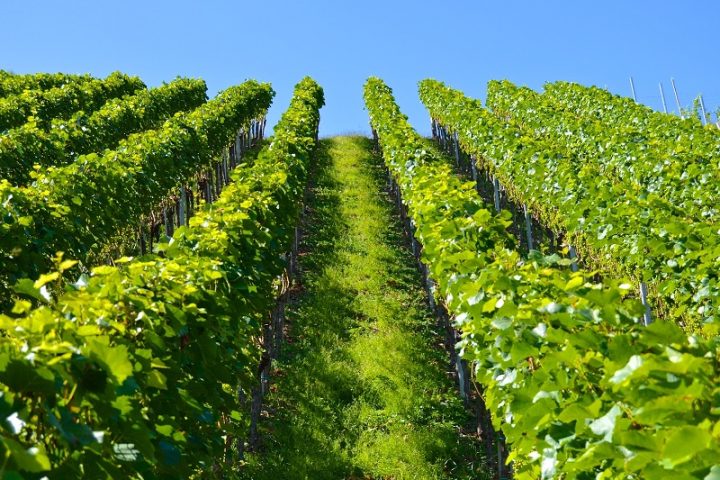
Today the pattern is remarkably intact. A family’s plot might hold a few dozen vines — local grapes such as Fetească and Rară Neagră alongside hybrid varieties prized for reliability. Grandparents teach the pruning, parents organise the harvest, and children grow up measuring autumn by the progress of the fermenting must.
The Home Cellar: Heart of the Moldovan House
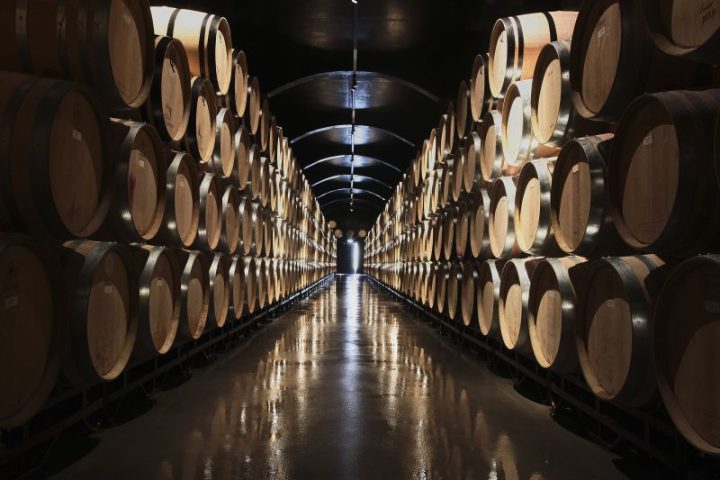
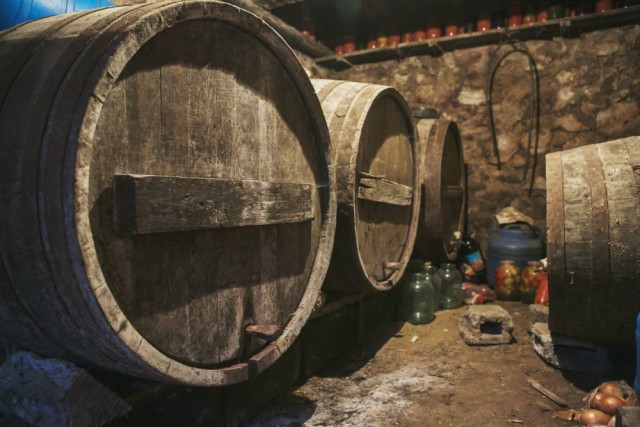
The beci is the cold room of the Moldovan countryside: dug into the earth or built into a slope, it keeps a naturally cool, steady temperature through summer and winter — the same principle, on a domestic scale, as the great underground galleries of Cricova and Mileștii Mici, which hold a constant 12–14 °C all year.
Inside the beci you will typically find:
- One or more barrels or modern tanks of the family’s wine, red and white
- Jars of preserved vegetables, compotes and cured meats sharing the cool air
- Demijohns of young wine still finishing its fermentation
- A jug kept ready for guests — hospitality is not optional in a Moldovan village
The cellar is storage, pantry and point of pride in one. A host judges a neighbour’s wine the way others might judge a garden: as a reflection of the maker’s care and character.
How Homemade Wine Is Made, Step by Step
The home method follows the same logic as professional winemaking, at kitchen scale:
- Pick: the family harvests its vines in September or October, when the grapes taste ripe and sweet.
- Crush: bunches are crushed — traditionally by foot, today usually with a hand or electric crusher — sometimes destemmed, sometimes not.
- Ferment: the must ferments in open vats or barrels, relying on the wild yeasts on the grape skins; reds stay on their skins for colour, whites are pressed sooner.
- Press and settle: the young wine is pressed off the skins and left to clarify in barrel or demijohn.
- Store and serve: the wine rests in the beci and is drawn through the year for family meals, holidays and guests.
The results vary — gloriously, according to their defenders. Homemade wine is usually light, fresh and unfiltered, made to be drunk young rather than cellared, and every family’s version tastes unmistakably of its own plot and habits.
Watch: Village Life, Food and Wine in Moldova
This village visit shows the world homemade wine belongs to: a father tending his garden vines — grapes he grows to make the family’s wine — alongside home cooking, music and long evenings at the table.
Homemade Wine and Moldova’s Wine Culture
Because so many families make their own, homemade wine shapes the whole national palate. Many Moldovans grow up preferring the fresh, uncomplicated taste of home wine, and it is often noted that this strong home tradition is one reason the country’s professional wineries have historically looked to export markets abroad. Wine in Moldova is not a luxury product; it is part of the table, of hospitality and of identity — closer to bread than to champagne in the national imagination.
Tradition Meets the Boutique Wine Boom
Far from killing the tradition, Moldova’s modern wine revival grew out of it. Many of today’s small, family-run boutique wineries began exactly this way — a household plot, a beci, a reputation in the village — before bottling their wines for the world. The new generation of winemakers often combines the two inheritances: the intimacy and local grapes of the village tradition, with modern hygiene, temperature control and export ambitions. The beci, it turns out, was a good school.
Read also: Oak, Steel, or Amphora: How Aging Shapes Wine and Sustainable and Organic Winemaking in Moldova
Conclusion
Homemade wine is the foundation on which Moldova’s famous wine industry stands. Kept alive in village cellars through empires, collectivisation and independence, it remains a living custom: grow, crush, ferment, store, share. To be offered a glass drawn from a family’s own barrel is to be offered the most Moldovan of welcomes.
Frequently Asked Questions
What is a beci?
A beci is a traditional Moldovan home cellar, dug into the earth or a slope, where families store wine, preserves and food at a naturally cool, steady temperature all year round.
Do Moldovan families really make their own wine?
Yes — household winemaking is widespread, especially in villages, where many families grow their own grapes and produce wine for their own table. It is commonly said that wine is part of everyday life in Moldova, and the homemade tradition is the reason.
How does homemade wine taste compared with bottled wine?
It is usually lighter, fresher and less filtered, made to be enjoyed young. Flavours vary from family to family because the grapes, methods and cellars all differ — that individuality is part of its charm.