The vessel a wine ages in is one of the strongest influences on how it will taste. Stainless steel protects freshness and fruit; oak barrels add vanilla, spice and a softer texture through slow contact with oxygen; clay amphorae — the oldest vessel of all — offer gentle breathability with a neutral flavour. Choosing between them is not about right and wrong, but about the style the winemaker wants in your glass.
Here is what each material actually does to the wine inside it.
Stainless Steel: Freshness Preserved
Stainless steel is the modern winery’s neutral container. It is airtight, easy to clean and fitted with cooling jackets, so winemakers can control fermentation and ageing temperatures precisely. Because steel adds nothing — no flavour, no oxygen — the wine keeps the pure character of the grape: bright acidity, primary fruit aromas, a clean finish.
That is why steel is the default choice for aromatic white wines, including many Moldovan Fetească Albă and Viorica wines, whose floral charm would be buried under oak. Steel-aged wines are generally made to be enjoyed young, while their fruit is at its most vivid.
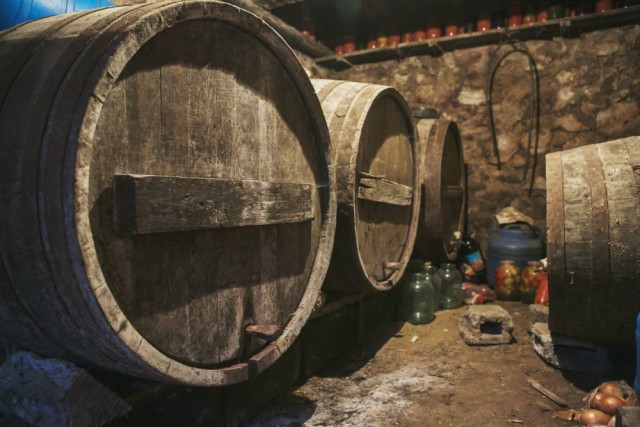
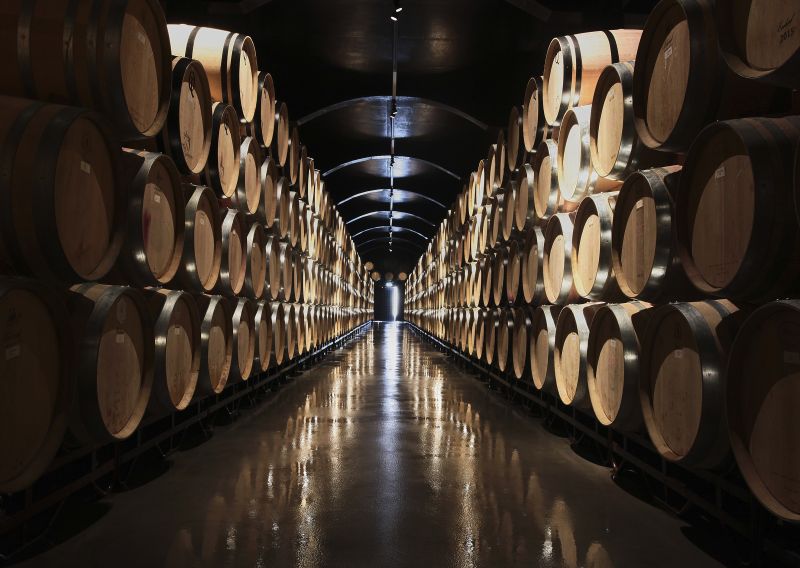
Oak Barrels: Flavour, Oxygen and Time
Oak does three things to wine at once:
- It adds flavour. Compounds in the wood — intensified when the barrel’s interior is toasted over fire — contribute notes of vanilla, sweet spice, toast, caramel or coconut.
- It breathes. Tiny amounts of oxygen pass through the wood, softening rough tannins and helping flavours integrate, which is why structured reds like Fetească Neagră often feel rounder after barrel time.
- It costs time and money. Barrels are expensive, hold far less than a tank, and lose wine to evaporation — part of why oak-aged wines cost more.
The effect depends on the barrel’s age and origin: new oak flavours wine strongly, while older, “neutral” barrels mostly provide the gentle oxygen exchange. French oak is generally associated with finer spice, American oak with bolder vanilla and coconut. Many winemakers blend — part of the wine in oak, part in steel — to get complexity without losing freshness.
Watch: How Wine Matures in Different Vessels
This lesson walks through the maturation of wine in steel, wood and amphora, and explains why the container matters as much as the grape.
Amphorae: The Ancient Method Returns
Long before steel or barrels, wine was fermented and stored in clay. Amphorae — large earthenware vessels, sometimes buried in the ground — are porous like oak, allowing slow micro-oxygenation, but unlike oak they add no flavour of their own. Wines aged in amphora often show a distinctive texture: round and earthy, with fruit that tastes unusually pure.
The method never fully disappeared in the greater Black Sea and Caucasus world, and in recent decades adventurous winemakers everywhere — including small producers in Moldova — have revived clay vessels as a bridge between ancient tradition and modern low-intervention winemaking.
Which Vessel for Which Wine?
As a rule of thumb:
- Crisp, aromatic whites and most rosés: stainless steel, to protect freshness.
- Full-bodied reds and rich whites: oak barrels, for structure, spice and ageing potential.
- Experimental and natural-leaning wines: amphorae or concrete, for texture without added flavour.
- Everyday young wines: steel or large old oak vats, for clean, early drinking.
And beneath all of it sits one more variable: temperature. Whether the vessel is steel, oak or clay, wine rests best in cool, stable conditions — which is why Moldova’s great limestone cellars at Cricova and Mileștii Mici, holding a constant 12–14 °C, are such prized places to mature a bottle.
Ageing in the Bottle
Vessel ageing is only half the story. Once bottled, wine continues to evolve slowly as its components react with each other and the tiny amount of air in the bottle. Tannins soften, fruit flavours turn towards dried fruit, leather and spice, and separate elements knit together. Not every wine improves — most are made to be drunk within a few years — but the great reds of Moldova, like the blends of Purcari, are built to reward patience.
Read also: Sustainable and Organic Winemaking in Moldova and How Wine Is Made: From Grape to Bottle
Conclusion
Steel preserves, oak seasons, clay connects wine to its ancient past. The vessel is a winemaker’s quiet signature: once you can taste the difference between a steel-aged white and a barrel-aged red, labels that mention “barrel fermented” or “unoaked” stop being marketing and start being a map to what is in your glass.
Frequently Asked Questions
Does oak ageing always make wine better?
No. Oak adds flavour and softens tannins, which suits full-bodied reds and rich whites, but it can overwhelm delicate, aromatic wines. Fresh styles are often better with no oak at all.
What temperature is best for ageing wine?
A cool, constant temperature is ideal — around 12–14 °C, as found naturally in Moldova’s underground limestone cellars at Cricova and Mileștii Mici. Stability matters even more than the exact number.
Why are amphora wines becoming popular again?
Amphorae offer gentle oxygen contact without adding flavour, giving wines a round texture and pure fruit. They also connect modern winemakers to one of the oldest winemaking traditions in the world.