Wine tasting is not a talent you are born with — it is a simple routine anyone can learn. Professionals use the same five steps every time: look, swirl, smell, sip and savour. Follow that order and you will notice more in a single glass than most people get from a whole bottle, because each step prepares your senses for the next one.
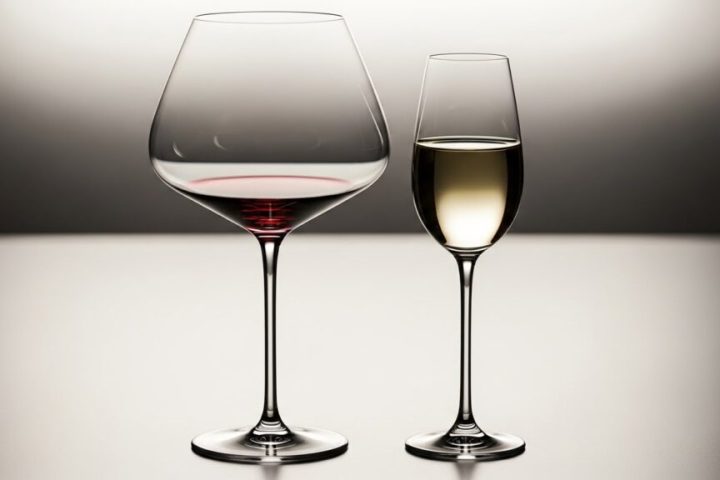
You do not need special equipment or a trained palate to start. Pour a small measure — about a third of a glass — and work through the steps below. A standard tulip-shaped glass is ideal, because its bowl leaves room to swirl and its narrower rim concentrates the aromas towards your nose.
Step 1: Look at the Wine
Hold the glass by the stem against a white background — a sheet of paper or a tablecloth is perfect — and tilt it to about 45 degrees. First check clarity: a healthy wine should look bright and clear, not cloudy or dull. Then look at the colour and its intensity. White wines deepen from pale lemon towards gold as they age, while red wines fade from purple-ruby towards brick and tawny tones. Colour gives early clues about the grape and the wine’s age: a Moldovan Fetească Albă, for example, is typically a pale, green-tinged lemon, while a young Fetească Neagră shows a deep ruby core.
Finally, give the glass a swirl and watch the droplets — often called “legs” or “tears” — slide down the inside. Slow, thick legs usually hint at higher alcohol or a touch of sweetness, although they say nothing about quality.
Step 2: Swirl, Then Smell
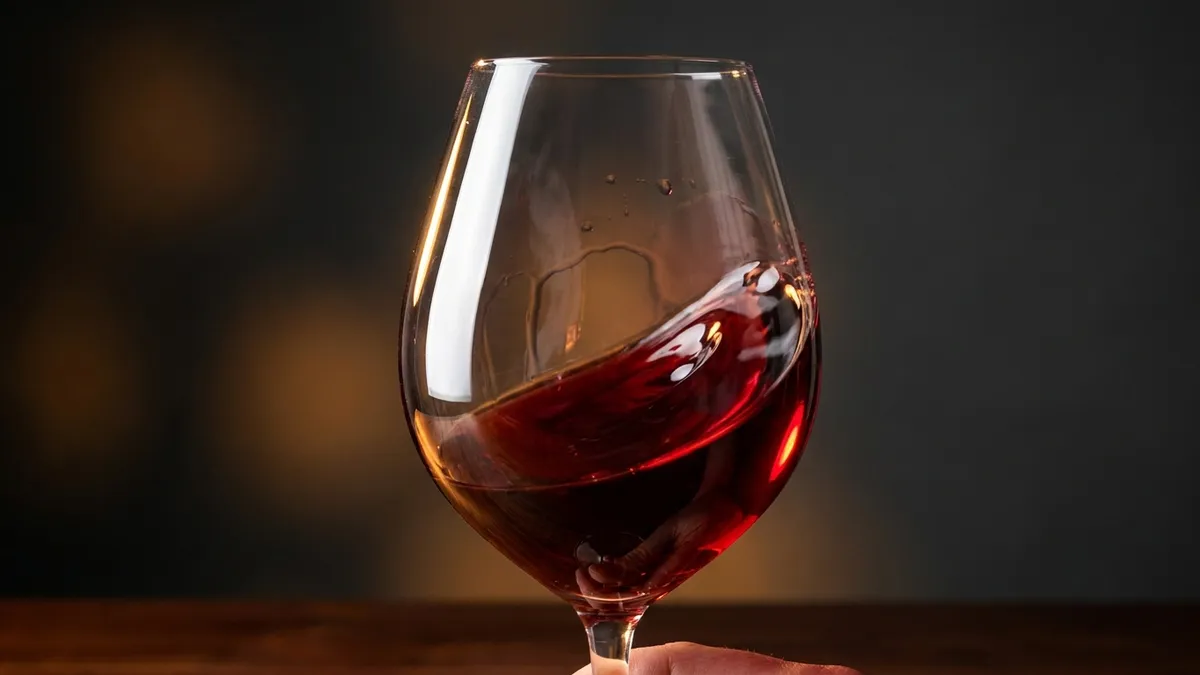
Swirling is not showing off. It draws oxygen into the wine and releases the volatile aroma compounds, which is where most of what we call “flavour” actually comes from. Keep the base of the glass on the table and move it in small circles if you are worried about spills.
Now put your nose right into the glass and take a few short sniffs. Tasters group what they find into three families:
- Primary aromas — from the grape and fermentation: fruit, flowers and herbs, such as the blossom and citrus notes of a fresh Viorica or Fetească Albă.
- Secondary aromas — from winemaking: vanilla, toast and spice from oak, or brioche and biscuit from ageing on the lees.
- Tertiary aromas — from ageing in bottle: leather, tobacco, dried fruit, mushroom and forest floor in mature reds.
There is no wrong answer at this stage. If a wine reminds you of black cherries, say so — your own comparisons are the ones you will remember.
Step 3: Sip and Read the Structure
Take a small sip and let the wine coat your whole mouth. Many tasters gently draw in a little air through pursed lips — the famous sommelier slurp — to spread the aromas up to the nose from inside. Then assess the wine’s structure, the framework everything else hangs on:
- Sweetness — detected on the tip of the tongue, from bone dry to lusciously sweet.
- Acidity — the freshness that makes your mouth water, like biting into a crisp apple.
- Tannin — the drying, gripping sensation on the gums, found mainly in reds such as Fetească Neagră.
- Alcohol — a warming feeling at the back of the throat when it is high.
- Body — the weight of the wine, from skimmed-milk light to full-cream rich.
- Finish — how long the flavours linger after you swallow or spit.
Watch: How to Taste Wine Like a Pro
Seeing the routine performed is worth a thousand descriptions. In this Wine 101 video, a certified sommelier walks through the same steps — sight, nose, palate and analysis — in a few minutes:
Step 4: Savour and Draw a Conclusion
The last step is simply to pause and judge the whole picture. Are the elements in balance, or does one — sharp acidity, heavy alcohol, harsh tannin — stick out? Does the finish last a few seconds or pleasantly linger? And the most useful question of all: would you happily drink another glass?
A few habits will speed up your learning. Taste wines side by side whenever you can, because contrast teaches faster than any book. Write down two or three words per wine, even on your phone. And do not be afraid to spit: at winery tastings and fairs, spittoons are provided precisely so you can taste many wines and stay sharp — professionals do it all day, including in the great underground cellars of Cricova and Mileștii Mici in Moldova.
Read also: How to Store Wine at Home: Temperature, Light, and Position and Wine Serving Temperatures, Explained
Conclusion
Look, swirl, smell, sip, savour — five steps, in that order, every time. Tasting this way turns drinking into reading: the colour tells you about age, the nose about grapes and winemaking, and the palate about structure and balance. Practise on your next bottle, whether it is a supermarket red or a Moldovan classic, and the method will soon feel like second nature.
Frequently Asked Questions
Is it rude to spit wine at a tasting?
Not at all. Spitting is standard practice at professional tastings, winery visits and wine fairs, and spittoons are provided for exactly that purpose. It lets you assess many wines without the alcohol clouding your judgement.
How much wine should I pour for tasting?
About a third of the glass. That leaves room to swirl safely and lets aromas collect in the empty space above the wine. You can always pour more later.
Do I need a special tasting glass?
No. Any clean, tulip-shaped stemmed glass works well. The standard ISO tasting glass used by professionals is inexpensive, but an ordinary wine glass with a bowl that narrows slightly at the rim will serve you perfectly.