Wine is made through a simple chain of steps that has changed remarkably little over thousands of years: grapes are harvested, crushed, fermented by yeast, aged, clarified and bottled. The details inside each step — when to pick, how long to ferment, which vessel to age in — are what separate an ordinary bottle from a great one. This guide walks through the whole journey, from grape to bottle, in plain language.
Every decision in the process answers one question: how do we turn the flavour locked inside a grape into something stable, aromatic and enjoyable in a glass? Let us follow the grapes on their way.
Step 1: The Harvest
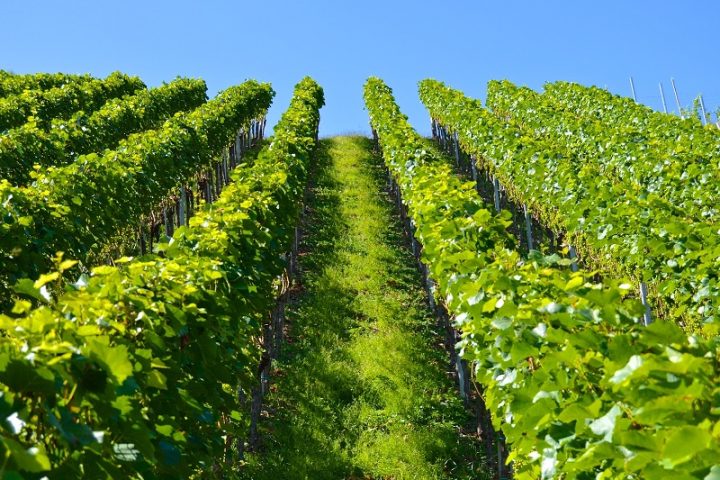
Everything starts in the vineyard. Winemakers pick grapes when the balance of sugar, acidity and flavour ripeness is right for the style they want to make — sparkling wines are picked earlier to keep acidity high, while grapes for rich reds hang longer to build sugar and soften tannins. Sampling berries and tasting them is still as important as any laboratory measurement.
Harvesting is done by hand or by machine. Hand picking is gentler and allows pickers to select only healthy bunches, which matters for premium wines; machines are faster and cheaper, and are often used at night so the fruit arrives at the winery cool. In Moldova, the harvest usually runs from September into October, with some late-ripening varieties picked into November.
Step 2: Sorting, Destemming and Crushing
At the winery, the grapes are sorted to remove leaves, unripe berries and anything damaged. Most are then destemmed, because stems can add harsh, bitter tannins, and gently crushed to split the skins and release the juice. The resulting mixture of juice, skins and seeds is called the must.
Modern wineries chill the must and protect it from oxygen at this stage, while traditional producers may simply let nature take its course. Either way, the must is now ready for its transformation.
Step 3: Pressing — Before or After Fermentation?
One of the biggest forks in the road is when to press. The timing depends on the colour of the wine:
- White wines are usually pressed before fermentation, so the clear juice ferments without skins and stays pale, fresh and delicate.
- Red wines ferment with their skins, because colour, tannin and much of the flavour live in the skins; pressing happens after fermentation.
- Rosé wines sit briefly with the skins — hours rather than weeks — before pressing, just long enough to pick up a pink tint.
Step 4: Fermentation — Where Juice Becomes Wine
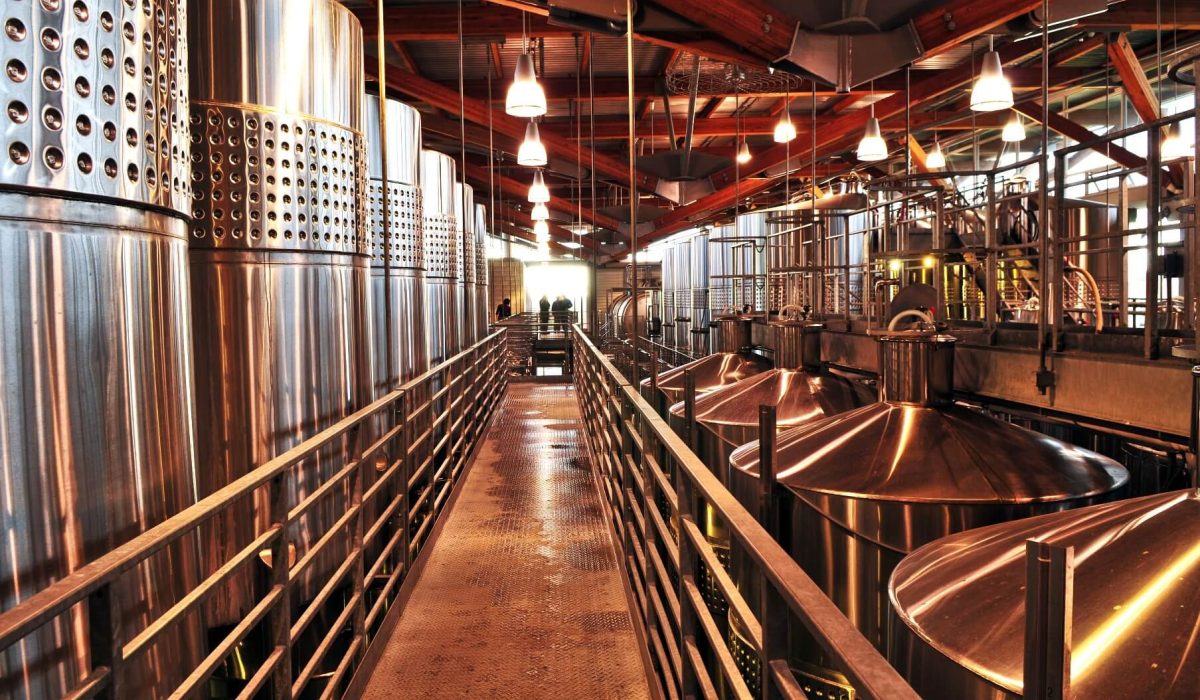
Fermentation is the heart of winemaking. Yeasts — either those naturally present on the grape skins or carefully selected strains added by the winemaker — consume the sugar in the juice and convert it into alcohol and carbon dioxide, releasing heat and hundreds of aroma compounds along the way.
Temperature control is crucial. Cool fermentations preserve the fruity aromas of white wines, while warmer fermentations help red wines extract colour and tannin from the skins. Winemakers stir, punch down or pump over the cap of skins that floats on fermenting red wine to keep it mixed with the juice. Fermentation can take anywhere from a few days to several weeks.
Watch: From Grape to Bottle
The short film above follows a European winery through the same journey — harvest, destemming, fermentation in tank, barrel ageing and bottling — so you can see each stage in action.
Step 5: Malolactic Conversion and Ageing
After the main fermentation, most red wines and some whites go through malolactic conversion, a second, bacterial transformation that converts sharp malic acid (think green apple) into softer lactic acid (think milk), rounding out the wine’s texture.
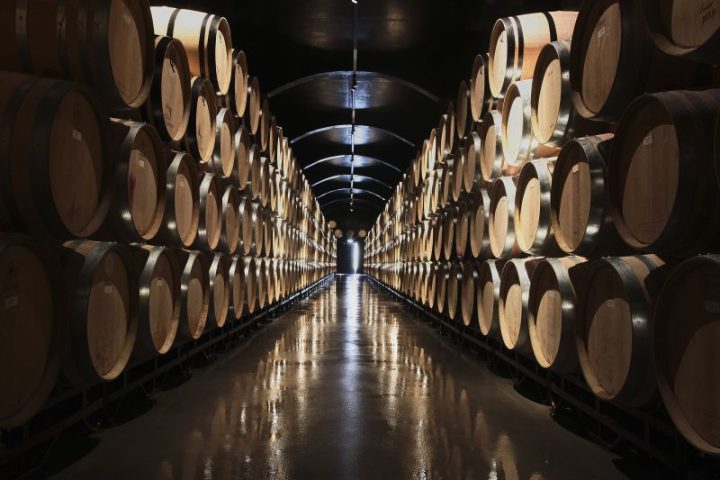
Then comes ageing. Young wine rests in stainless steel tanks, oak barrels, concrete or clay vessels while its flavours settle and integrate. Ageing can last a few months for a crisp white or several years for a structured red; our companion article on ageing vessels explains what each material contributes. Sediment, called lees, falls to the bottom and is periodically separated by racking the wine into a clean vessel.
Step 6: Clarification, Bottling and Bottle Ageing
Before bottling, wine is clarified so it reaches your glass bright and stable. Winemakers may let particles settle naturally, use fining agents that bind haze-forming proteins, and filter the wine. A small dose of sulphur dioxide protects it from oxidation and spoilage.
Finally the wine is bottled, sealed with a cork, screw cap or other closure, and rested. Some wines are released immediately; others improve with months or years of bottle ageing as their aromas slowly evolve. Only then does the bottle begin the last leg of its journey — to a cellar, a shop shelf and, eventually, your table.
Read also: Harvest Season in Moldova: A Celebration of the Grape and Homemade Wine: Moldova’s Village Tradition
Conclusion
Winemaking is a chain of patient decisions: pick at the right moment, handle the fruit gently, guide fermentation, age with intention and bottle with care. The process is simple to describe — harvest, crush, ferment, age, clarify, bottle — but the variations inside each step explain why no two wines taste alike, and why a bottle of wine is really a record of a place, a season and a maker’s choices.
Frequently Asked Questions
How long does it take to make wine from harvest to bottle?
It depends on the style. A fresh white wine can be bottled within a few months of harvest, while oak-aged reds commonly spend one to three years in the cellar before release, plus further time ageing in bottle.
What is the difference between fermentation for red and white wine?
Red wines ferment together with their skins, which give colour, tannin and flavour. White wines are pressed first and the juice ferments alone, which keeps them paler, lighter and more delicate.
Why is wine aged before it is sold?
Ageing lets harsh young flavours soften and merge, allows sediment to settle, and — in oak — adds notes of vanilla, spice and toast. Not every wine improves with long ageing, but most benefit from at least a short rest before bottling.