Moldovan winemaking is quietly going greener. A new generation of producers is returning to indigenous grape varieties, farming with fewer chemicals, dry farming where the climate allows, fermenting with native yeasts and investing in solar power and water recycling — driven by pride in local grapes, by the quality standards of export markets in the European Union, and by the simple fact that healthy land makes better wine.
Here is what sustainable and organic winemaking looks like in Moldova today, and what the key terms actually mean.
Why Sustainability Matters for Moldovan Wine
Wine is an agricultural product, and vineyards occupy a large share of Moldova’s farmed landscape, so how vines are grown has outsized effects on the country’s soil, water and villages. At the same time, most Moldovan wine is exported, and buyers in the EU and beyond increasingly ask how it was produced. Sustainability, in other words, is both an environmental choice and an economic one: it protects the land the industry depends on, and it opens doors in the markets that buy the wine.
Back to Indigenous Grapes
The greenest decision a Moldovan winemaker can make may be which grape to plant. Local varieties such as Fetească Albă, Fetească Neagră, Rară Neagră and Viorica evolved in this climate over centuries, so they generally cope with local conditions — hot summers, cold winters, the region’s typical diseases — with less help from sprays and irrigation than imported varieties might need.
The revival of these grapes is the headline story of modern Moldovan wine. Where Soviet-era production favoured a narrow set of international varieties for volume, today’s quality producers plant indigenous grapes as both a flavour statement and a farming advantage: the right vine in the right place needs the least intervention of all.
In the Vineyard: Dry Farming, Cover Crops and Fewer Chemicals
Sustainable vineyard work in Moldova follows the same principles being adopted across the wine world:
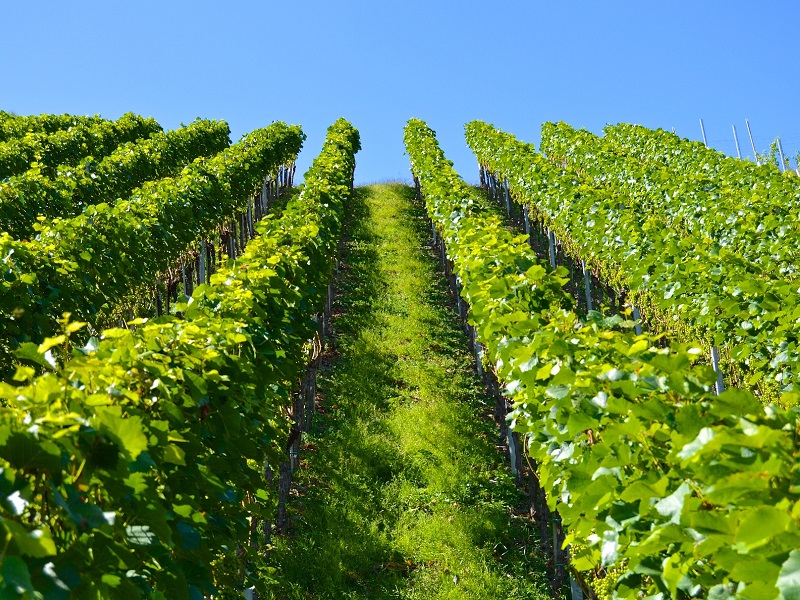
- Dry farming where possible — established vines are left to dig deep for water rather than relying on irrigation, which also concentrates flavour.
- Cover crops between the rows — grasses and legumes protect the soil from erosion, add organic matter and give beneficial insects a home.
- Fewer, better-timed treatments — weather monitoring and disease forecasting let growers spray only when genuinely needed, and many experiment with organic preparations.
- Compost and canopy care — organic matter returns to the soil, and careful leaf management improves airflow so grapes ripen healthily.
Watch: Dry-Farmed, Low-Intervention Vineyards
In this vineyard walk, a grower explains the same philosophy Moldovan producers are embracing: old vines, dry farming, no pesticides, native yeasts and minimal intervention from vine to bottle.
In the Cellar: Native Yeasts, Solar Power and Water Recycling
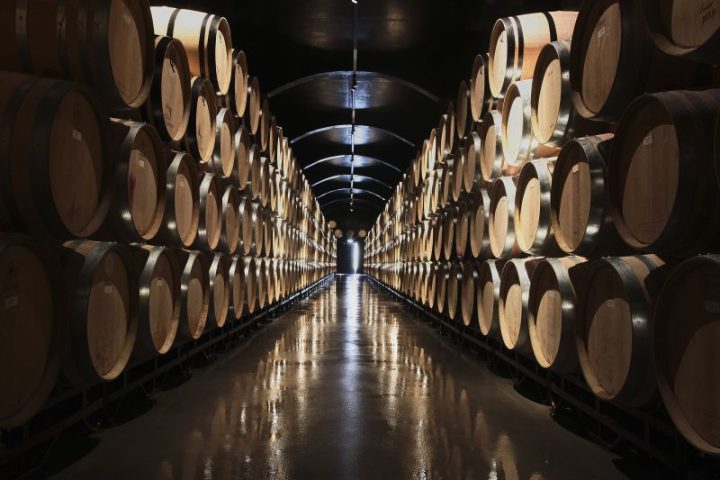
The sustainability story continues indoors. Lower-intervention winemakers ferment with the wild yeasts that arrive on the grape skins rather than cultured strains, use sulphur dioxide sparingly and only when needed, and bottle some wines unfined and unfiltered. Modern wineries, meanwhile, invest in efficiency: solar panels on cellar roofs, gravity-fed layouts that reduce pumping, and systems that clean and recycle the large volumes of water wineries use for washing tanks and barrels.
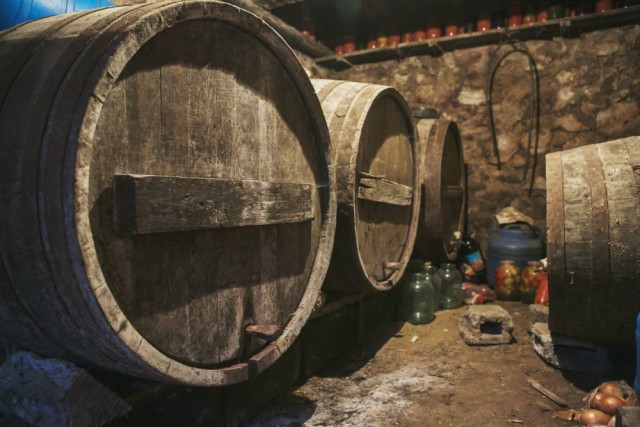
These two currents — the traditional and the technological — meet happily in Moldova, where the low-intervention approach is not a fashion but a inheritance: the village homemade wine tradition described elsewhere on this site has always been, in effect, natural winemaking.
Organic, Biodynamic, Sustainable: What the Words Mean
The terms are often used loosely, so here is a practical guide:
- Organic — grapes grown without synthetic pesticides or fertilisers, usually certified by an official body; in the cellar, additives are restricted.
- Biodynamic — organic farming plus a holistic system of preparations and vineyard work timed to a lunar calendar; also certifiable.
- Sustainable — a broader, often self-defined balance of environmental, social and economic practices; not always certified.
- Natural / low-intervention — a cellar philosophy: native yeasts, minimal additives and manipulation; no single official definition.
For shoppers, the practical advice is simple: look for producers who explain what they actually do — in the vineyard and the cellar — rather than relying on a single word on the label.
Read also: How Wine Is Made: From Grape to Bottle and Harvest Season in Moldova: A Celebration of the Grape
Conclusion
Sustainable winemaking in Moldova is less a marketing trend than a convergence: indigenous grapes that suit the land, village traditions that were low-intervention all along, and modern wineries adding solar power, water recycling and EU-level standards. The result is better for the soil, better for the villages that farm it — and, in the glass, increasingly delicious.
Frequently Asked Questions
Is Moldovan wine organic?
Some is, most is not certified. Many Moldovan producers farm with few chemicals and use low-intervention methods, but formal organic certification is still relatively rare; a growing number of wineries are moving in that direction.
What is dry farming and why does it matter?
Dry farming means growing vines without irrigation, relying on rainfall and deep roots. It saves water, and because the vine works harder, it often produces smaller, more flavourful grapes.
Are indigenous grapes more sustainable?
Generally, yes. Varieties that evolved in a region, like Moldova’s Fetească family, are adapted to its climate and disease pressures, so they typically need fewer treatments and less water than imported varieties grown in the same place.