To read a Moldovan wine label, you only need to find five things: who made the wine, what it is called, which grapes are inside, where it comes from, and how strong and sweet it is. Moldovan labels follow European conventions but add local terms — PGI region names like Codru, grape names like Fetească Neagră, and Romanian sweetness words such as sec and demidulce. Learn those, and any bottle becomes an open book.
The Front Label: Five Things to Find
Work through the front label in this order and you will understand most bottles in under a minute:
- The producer. The winery or estate name — Cricova, Purcari, Castel Mimi and hundreds of smaller names. This is your quality anchor: producers stake their reputation on every bottle.
- The wine’s name. Estates often give flagship wines their own names, the most famous being Negru de Purcari, Château Purcari’s blend of Cabernet Sauvignon, Saperavi and Rară Neagră.
- The grape variety. Moldovan labels usually name the grape proudly — Fetească Albă, Viorica, Fetească Neagră — especially for indigenous varieties, which make up about 10 percent of plantings but most of the country’s identity.
- The vintage. The year the grapes were harvested. For fresh Moldovan whites, younger is generally brighter; structured reds from Ștefan Vodă can reward a few years of age.
- The region. Look for one of the three PGI names — Codru, Ștefan Vodă or Valul lui Traian — which guarantee the grapes grew in that protected region.
Decoding Moldovan Label Terms
Moldovan labels mix Romanian wine vocabulary with international terms. The ones that matter most:
- PGI / IGP — Protected Geographical Indication: the wine comes from one of Moldova’s three delimited regions and follows their rules.
- Sec — dry. Demisec — medium dry. Demidulce — medium sweet. Dulce — sweet. These four words tell you the sweetness before anything else does.
- Alb, roșu, roze — white, red and rosé.
- Vin de calitate — quality wine, a step above basic table wine in the local hierarchy.
- Divin — not a wine at all, but the protected name for Moldovan brandy; if the bottle says Divin, expect an oak-aged grape spirit, often with an age category.
- Rezerva / Colecție — reserve or collection wines, typically the producer’s more serious, often oak-aged bottlings.
The Back Label: Alcohol, Volume and Fine Print
Flip the bottle over. The back label carries the legal essentials: alcohol percentage (most Moldovan table wines sit in the familiar European range), bottle volume, the bottler’s name and address, and the lot number. You will also often find food-pairing suggestions and serving temperatures — take the winery’s own advice here, because Moldovan whites genuinely shine well chilled and the lighter reds, such as Rară Neagră, are better slightly cool than warm.
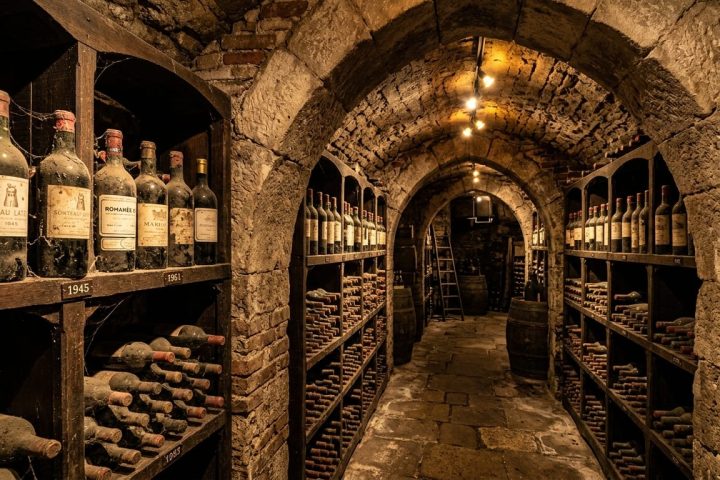
The back label is also where sparkling wines explain themselves. Moldova makes traditional-method sparkling, much of it aged in Cricova’s tunnels; words indicating the traditional method signal bottle-fermented quality rather than tank-made fizz.
Watch: How to Read a Wine Label, Step by Step
The principles are universal, and this winemaker-led guide shows how the same label logic applies from Bordeaux to Chișinău:
A Worked Example: Reading One Bottle in 30 Seconds
Imagine a bottle in front of you. The front reads: a producer’s name, “Fetească Neagră”, a vintage, and “Ștefan Vodă” with the PGI mention. Translation: a dry red (Fetească Neagră is almost always vinified dry — and the back label’s sec confirms it) from the south-eastern region famous for structured reds, made by a named estate from a single harvest year. Expect forest fruit and wild cherry, moderate tannins, and a wine that wants food. Now compare a second bottle: “Viorica”, “Codru”, demisec. That is an aromatic, gently off-dry white from the central white-wine heartland — chill it well and pour it as an aperitif. Two labels, two completely different evenings, both decoded without opening a thing.
Read also: Moldovan Wine: The Complete Beginner’s Guide and The History of Moldovan Wine: 5,000 Years in the Making
Conclusion
A Moldovan wine label is not a puzzle; it is a checklist. Producer, name, grape, vintage, region — then the sweetness word and the fine print on the back. With the handful of Romanian terms in this guide, you can walk up to any shelf of Moldovan wine and know, before you buy, whether the bottle holds a crisp Codru white, a serious Ștefan Vodă red, or a celebratory bottle of Divin.
Frequently Asked Questions
What does PGI mean on a Moldovan wine label?
PGI means Protected Geographical Indication. On a Moldovan label it guarantees the wine comes from one of the three delimited regions — Codru, Ștefan Vodă or Valul lui Traian — and was made under that region’s rules.
What do “sec” and “demidulce” mean?
They are Romanian sweetness terms used on Moldovan labels: sec means dry, demisec medium dry, demidulce medium sweet, and dulce sweet.
How can I tell if a Moldovan sparkling wine is high quality?
Check the back label for wording that indicates the traditional (bottle-fermented) method. Moldova’s best sparkling wines, many aged in Cricova’s underground tunnels, use this slower method rather than tank fermentation.