Moldovan wine hides some of the most astonishing numbers in the wine world: a Guinness World Record collection, hundreds of kilometres of wine tunnels, and winemaking older than the Roman Empire. Whether you are a trivia lover or simply wine-curious, here are 15 fascinating facts about Moldovan wine — every one of them true.
Records and Numbers
1. Moldova has made wine for about 5,000 years. Winemaking between the Prut and Dniester rivers began in deep antiquity, placing Moldova among the very oldest wine cultures on the planet.
2. The proof is pressed into stone. Grape-seed imprints found near the village of Vărvăreuca date to around 2800 BC — evidence that vines were already cultivated here in the Bronze Age.
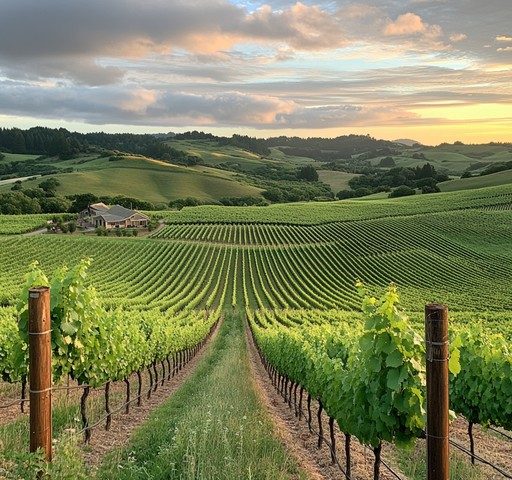
3. Few countries are this vine-covered. Vineyards cover roughly 112,000 to 128,000 hectares, giving Moldova one of the highest densities of vineyard land of any country in the world.
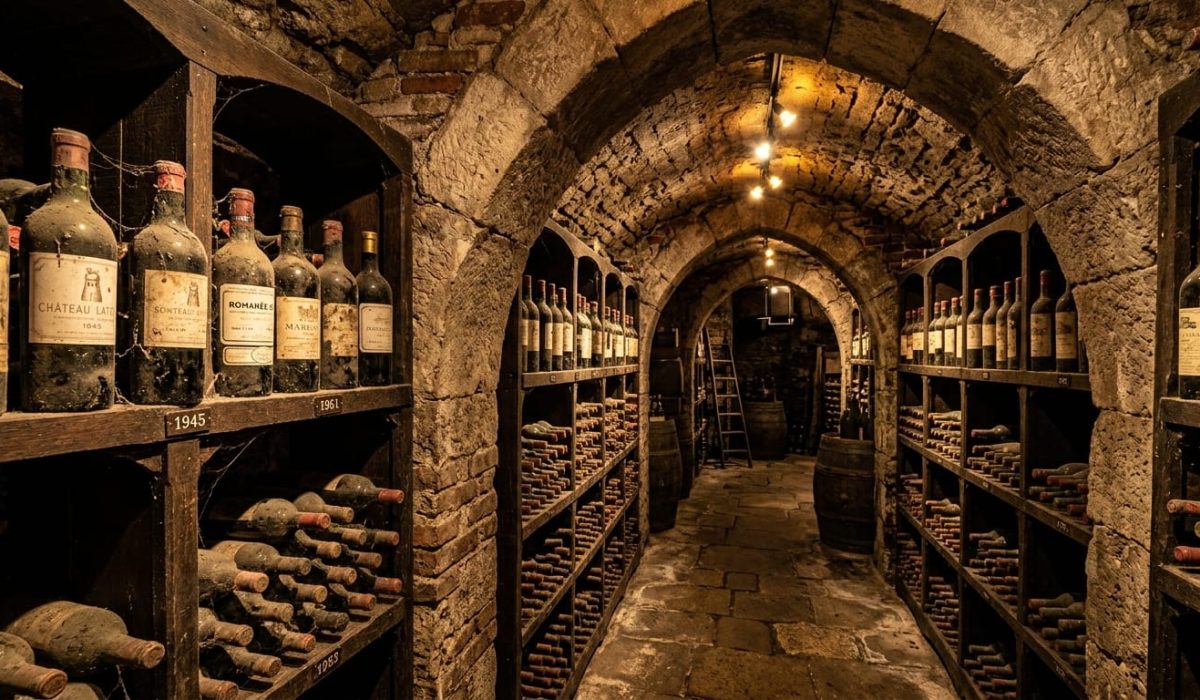
4. It holds a Guinness World Record. Mileștii Mici is officially recognised for the largest wine collection in the world, at around 1.5 to 2 million bottles.
5. The cellar is a small underground country. Mileștii Mici’s galleries stretch for about 200 kilometres through a former limestone mine, though only around 55 kilometres are used to store wine.
Grapes You Won’t Find Just Anywhere
6. Local grapes are a small share — but the whole identity. Indigenous varieties cover only about 10 percent of plantings, yet they are what makes Moldovan wine taste like nowhere else.
7. Fetească Neagră is genuinely ancient. This flagship red, layered with forest fruit and wild cherry, has been grown in the region since long before modern borders existed.
8. One grape, two names. Rară Neagră is also known as Băbească Neagră; the very old variety makes soft, pale reds with dried-fruit and vanilla notes.
9. Viorica is the perfumed one. This aromatic white is so floral and herbal that many first-time tasters assume it must be a Muscat — it is not; it is proudly Moldovan.
10. Even the brandy has a protected name. Moldovan brandy cannot simply be called anything: its protected name is Divin, guarded like the country’s three PGI wine regions.
Cellars, Streets and Celebrations
11. The streets underground are named after grapes. In Mileștii Mici, the tunnel “streets” where the collection rests carry the names of grape varieties, so drivers navigate by wine.
12. The cellar never changes temperature. Deep in the limestone, Mileștii Mici stays at a constant 12 to 14 degrees Celsius all year — nature’s perfect wine fridge.
13. Cricova has an underground cinema. Founded in 1952 in a former limestone quarry, Cricova runs about 120 kilometres of tunnels dozens of metres underground, holding the National Wine Collection, sparkling wine cellars and even a cinema carved into the rock.
14. Moldova exports almost everything it makes. Most Moldovan wine is exported — about 60 percent of exports go to the European Union, and the country’s bottles reach around 75 countries in total.
15. There is a whole holiday for wine. Every first weekend of October, Chișinău hosts National Wine Day, when the capital’s centre fills with producers, tastings and folk celebration — harvest season’s grand finale.
One more thing the numbers miss: in Moldova, wine is not really a product — it is hospitality itself. In much of the countryside the autumn harvest is still a family affair, and a guest is rarely allowed to leave the table without a glass being poured. That living culture is the thread connecting the Bronze Age seed imprints to the gleaming tasting halls of Cricova and Purcari today: the scale is world-class, but the welcome is still personal, generous and meant to be shared.
Watch: Moldova — Europe’s Hidden Vineyard
Short on time? This quick film races through the records, cellars and culture behind the facts above:
Read also: How to Read a Moldovan Wine Label and Moldovan Wine: The Complete Beginner’s Guide
Conclusion
From 5,000-year-old grape seeds to a two-million-bottle collection sleeping in limestone, Moldovan wine is a subject where the superlatives happen to be true. Keep these fifteen facts in your pocket and you will never be short of conversation at a tasting again — better still, use them as a checklist and go and see the cellars for yourself.
Frequently Asked Questions
What is the largest wine cellar in the world?
Mileștii Mici in Moldova holds the Guinness World Record for the largest wine collection, with around 1.5 to 2 million bottles stored in roughly 200 kilometres of former limestone-mine tunnels.
How long has Moldova been making wine?
About 5,000 years. Grape-seed imprints near Vărvăreuca from around 2800 BC show that cultivated vines were already part of life in the region in the Bronze Age.
What is Divin?
Divin is the protected name for Moldovan brandy, an oak-aged grape spirit produced across the country and protected in the same spirit as Moldova’s PGI wine regions.