Moldova’s wine regions are organised into three protected geographical indication (PGI) zones — Codru in the centre, Ștefan Vodă in the south-east and Valul lui Traian in the south-west — plus Bălți, a traditional fourth region in the north. Together they explain why a white from one end of this small country tastes nothing like a red from the other. Here is each region explained simply: where it lies, what grows there, and which wines to look for on the shelf.
Why Region Matters: Terroir Between Two Rivers
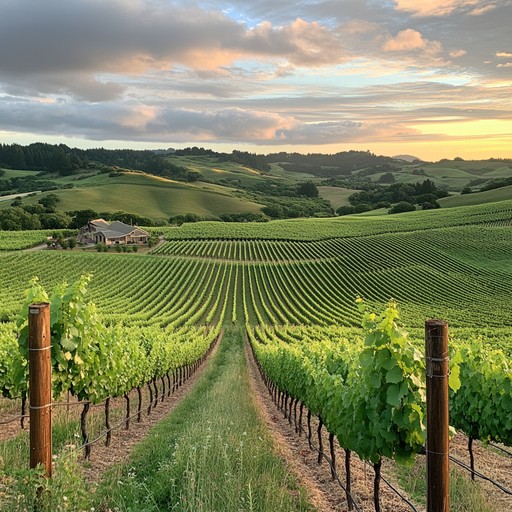
Moldova sits between the Prut river in the west and the Dniester in the east, at about 46–47 degrees north latitude. The climate is continental — hot summers, cold winters — but moderated by influences drifting in from the Black Sea. Rolling hills, limestone-rich soils and river valleys create a patchwork of microclimates, and the PGI system exists to protect exactly that: a wine labelled with a PGI region must come from that region, so the name on the bottle is a promise about the glass.
As a rule of thumb, the cooler centre favours aromatic whites, while the warmer south ripens reds with more body and depth. Keep that north–south gradient in mind and the whole map becomes easy to read.
Codru — The Heartland of White Wine
Codru is Moldova’s largest wine region and its engine room, producing about 60 percent of the country’s wine. Named after the ancient Codru forests that still cover its hills, the central zone is the kingdom of white wine: Fetească Albă, Fetească Regală, Viorica, Chardonnay and Sauvignon Blanc all thrive in its relatively cool, hilly terrain.
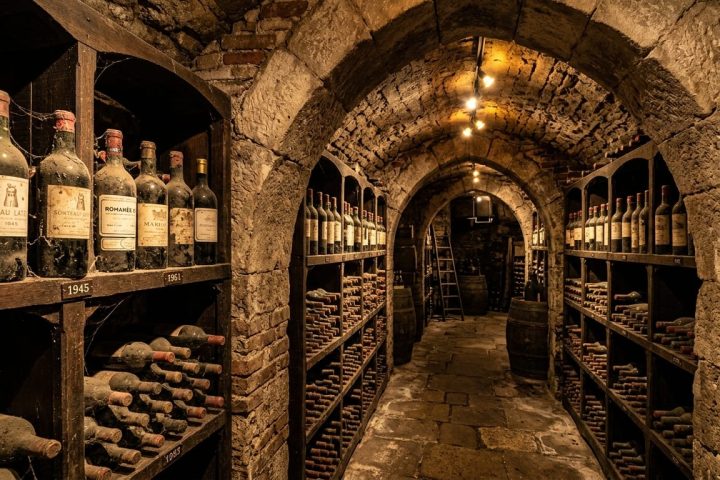
Codru is also the region of the great cellars. Both Cricova and Mileștii Mici sit within its orbit, using the limestone hills themselves as storage. If you want to understand Moldovan whites — floral, fresh, precise — start here.
- Look for: Fetească Albă, Viorica, dry whites and traditional-method sparkling wine.
- Character: freshness, white flowers, citrus and orchard fruit.
Ștefan Vodă — Home of Purcari
In the south-east, close to the Dniester and the Black Sea’s moderating breeze, Ștefan Vodă is Moldova’s most famous name abroad thanks to one address: Purcari. The estate, founded in 1827, built its legend on Negru de Purcari, a rich blend of Cabernet Sauvignon, Saperavi and the local Rară Neagră.
The region’s warmer, sunnier conditions ripen red grapes fully, giving wines with deeper colour and structure than the centre, while its whites keep an appealing ripeness. If Codru is Moldova’s white heartland, Ștefan Vodă is its red flagship — the region to name-drop when serving a serious bottle at dinner.
- Look for: Negru de Purcari and other structured red blends, plus ripe, generous whites.
- Character: dark fruit, spice, body and polish.
Valul lui Traian — The Red Wine South-West
Valul lui Traian takes its name from Trajan’s Wall, the ancient earthwork that crosses the south-west. This is red wine country: long, warm seasons push Cabernet Sauvignon, Merlot and Fetească Neagră to full ripeness, and the region is known mainly for reds with warm fruit and soft, generous textures.
It is also a region of tradition, where village winemaking remains a way of life and local grapes such as Rară Neagră have deep roots. Wines from Valul lui Traian tend to be the friendliest introduction to Moldovan reds — ripe, round and immediately appealing.
- Look for: Fetească Neagră, Cabernet Sauvignon and Merlot blends.
- Character: ripe berries, plum, warmth and softness.
Bălți — The Traditional North
Bălți, in the north, is the traditional fourth region: it does not carry PGI status like the other three, but its winemaking history is long and its cooler climate produces lighter, fresher styles. It completes the map — and reminds visitors that in Moldova, wine regions are not marketing inventions but living geography, shaped over centuries.
Watch: Moldova’s Vineyards and Wine Country on Film
This travel documentary crosses the Moldovan countryside, from the vineyards to the legendary underground cellars of Cricova and Mileștii Mici, giving a vivid sense of the landscapes behind the regions:
Read also: 15 Fascinating Facts About Moldovan Wine and How to Read a Moldovan Wine Label
Conclusion
Three letters — PGI — and four names are all you need to navigate Moldovan wine geography. Choose Codru for whites and sparkling finesse, Ștefan Vodă for prestigious reds, Valul lui Traian for warm, generous reds, and remember Bălți as the traditional north. Once the regions click, every Moldovan label starts to tell you its story before you even pull the cork.
Frequently Asked Questions
What are Moldova’s wine regions?
Moldova has three PGI wine regions — Codru (centre), Ștefan Vodă (south-east) and Valul lui Traian (south-west) — plus Bălți, a traditional fourth region in the north without PGI status.
Which Moldovan region is best for red wine?
Ștefan Vodă, home of Purcari, is famed for structured reds such as Negru de Purcari, while Valul lui Traian in the south-west produces ripe, generous red wines. Both outperform the cooler centre for reds.
Which region produces the most Moldovan wine?
Codru, the central region, is the largest and produces about 60 percent of Moldova’s wine, specialising in white wines and hosting the famous Cricova and Mileștii Mici cellars.