Moldovan wine is wine produced in the Republic of Moldova, a small country between Romania and Ukraine that has been making wine for around 5,000 years. Sitting at roughly 46–47 degrees north — the same latitude band as some of Europe’s classic wine regions — Moldova combines a continental climate softened by the Black Sea with fertile soils and a culture in which wine is not a luxury but a part of everyday life. This beginner’s guide walks you through everything you need to know: the grapes, the regions, the astonishing underground cellars, and the bottles worth trying first.
Why Moldova? A Great Wine Country Hiding in Plain Sight
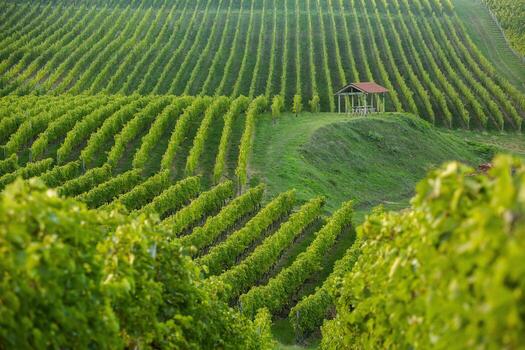
Few wine countries pack so much into so small a territory. Moldova’s vineyards cover roughly 112,000 to 128,000 hectares, which gives this compact nation one of the highest densities of vineyard land in the world. Wine is also serious business: most of what Moldova produces is exported, with about 60 percent of exports going to the European Union and Moldovan bottles reaching around 75 countries.
Yet for many drinkers, Moldovan wine remains undiscovered. That is precisely its charm. Because the country is still emerging on international shelves, you can find hand-crafted wines from ancient local grapes at prices that better-known regions left behind long ago — and behind every bottle there is a story that stretches back millennia.
The Grapes to Know
International varieties such as Cabernet Sauvignon, Merlot, Chardonnay and Sauvignon Blanc all grow in Moldova, but the country’s identity lives in its indigenous grapes, which account for roughly a tenth of plantings. Start with these:
- Fetească Albă — a delicate, floral white, all white flowers and orchard fruit; Moldova’s signature white grape.
- Fetească Regală — a more aromatic sister variety, expressive and fresh, often with citrus and floral notes.
- Fetească Neagră — the ancient red flagship, known for forest fruits, wild cherry and plum, with a soft, velvety texture.
- Rară Neagră (also called Băbească Neagră) — a very old, light-coloured red with dried-fruit and vanilla notes and gentle tannins.
- Viorica — a highly aromatic white, perfumed with floral and herbal notes, delicious with food.
- Plavai — a traditional white variety that survives in older vineyards and rustic blends.
If you only try two bottles, make it a Fetească Albă for the white and a Fetească Neagră for the red: together they tell you almost everything about Moldova’s style — freshness, fruit purity and restraint rather than brute power.
The Three Wine Regions at a Glance
Moldova is divided into three protected geographical indication (PGI) regions, plus a traditional northern zone. Codru, in the centre, is the largest and most productive, accounting for about 60 percent of national output and famed above all for white wines. Ștefan Vodă, in the south-east, is the home of the famous Purcari estate and structured reds. Valul lui Traian, in the south-west, leans mainly towards red wines, while Bălți in the north is a traditional fourth region with its own long winemaking history. Each region shapes a noticeably different glass, so the region name on a label is your first clue to style.
Watch: Inside Cricova, Moldova’s Underground Wine City
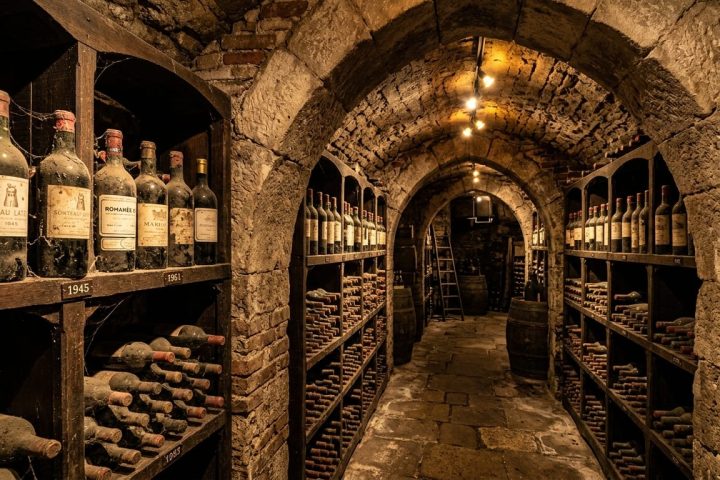
No introduction to Moldovan wine is complete without its cellars. At Cricova, founded in 1952, some 120 kilometres of tunnels carved from a former limestone quarry run dozens of metres below the surface, holding the National Wine Collection and row after row of maturing sparkling wine. This episode of The Wine Show descends into those tunnels:
And Cricova is not even the record holder: a short drive away, Mileștii Mici stores its wine in around 200 kilometres of tunnels and holds the Guinness World Record for the largest wine collection on Earth, at roughly 1.5 to 2 million bottles.
What to Drink First
Beginners often ask where to start. A simple path through the styles:
- Crisp whites — Fetească Albă or Viorica, chilled, with salads, seafood or soft cheese.
- Elegant reds — Fetească Neagră or Rară Neagră when you want fruit and softness rather than heavy oak.
- Serious blends — Negru de Purcari, Château Purcari’s flagship from the Ștefan Vodă region, blending Cabernet Sauvignon, Saperavi and Rară Neagră.
- Sparkling wine — Moldova makes traditional-method sparkling, much of it aged in Cricova’s cool tunnels.
- Divin — the protected name for Moldovan brandy, aged in oak and worth discovering after dinner.
Read also: The History of Moldovan Wine: 5,000 Years in the Making and Moldova Wine Regions Explained: Codru, Ștefan Vodă, and Valul lui Traian
Conclusion
Moldovan wine rewards curiosity. It offers 5,000 years of tradition, grapes found almost nowhere else, three distinct regions and the most extraordinary cellars on the planet — all at prices that invite experimentation. Learn the five or six key grape names, remember the three regions, and you already know more about this hidden wine country than most drinkers ever will. The next step is simply to open a bottle.
Frequently Asked Questions
What is Moldovan wine known for?
Moldovan wine is known for its indigenous grapes (Fetească Albă, Fetească Neagră, Rară Neagră, Viorica), fresh and fruit-driven styles, outstanding value, and its gigantic underground cellars at Cricova and Mileștii Mici.
Is Moldovan wine good quality?
Yes. Moldova’s best estates, such as Purcari, Cricova and Castel Mimi, produce wines that regularly satisfy export markets in about 75 countries, with quality protected by the PGI system in its three wine regions.
Which Moldovan wine should a beginner try first?
Start with a Fetească Albă white for freshness and florals, then a Fetească Neagră red for soft, dark-fruit character. Both are affordable, expressive introductions to the country’s style.